Farmers dig into new ideas at FarmLink
Watch the FarmLink Field Walk on YouTube
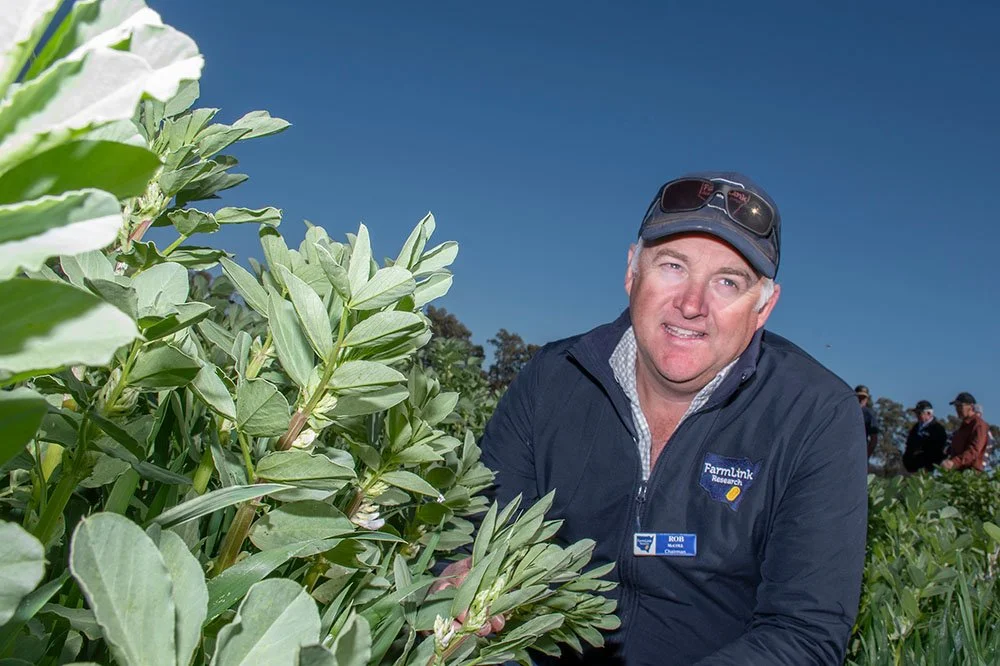
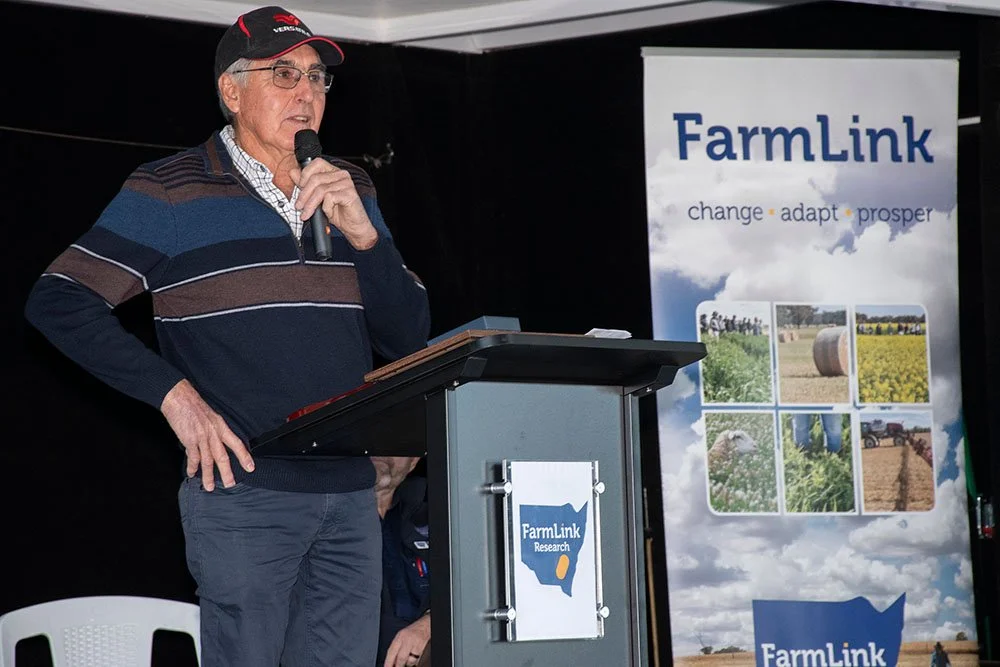
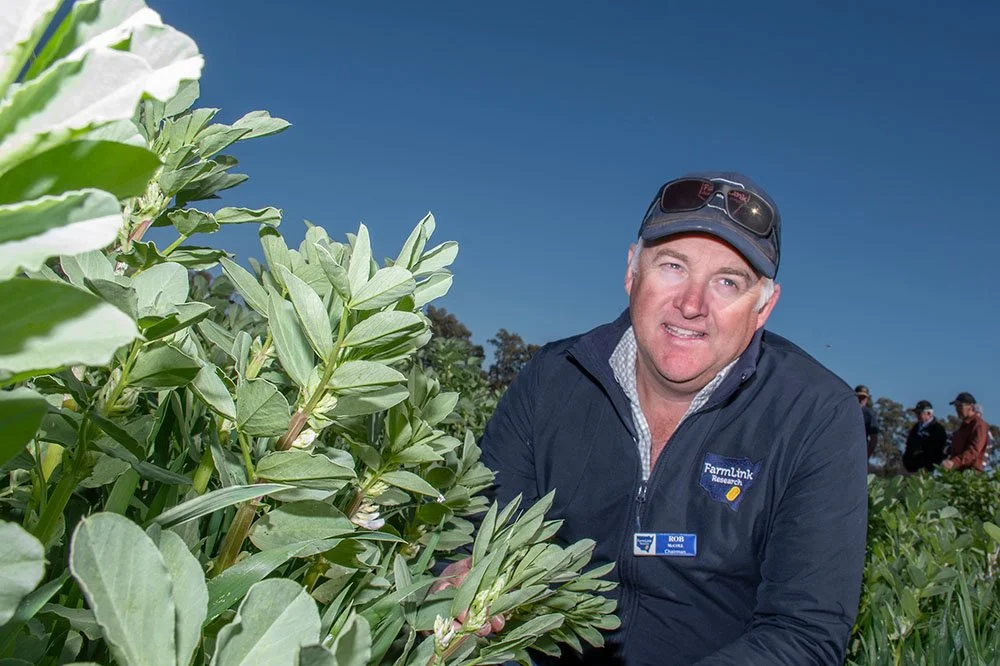
FarmLink chair Rob McColl said that the inaugural Field Walk was a great success.
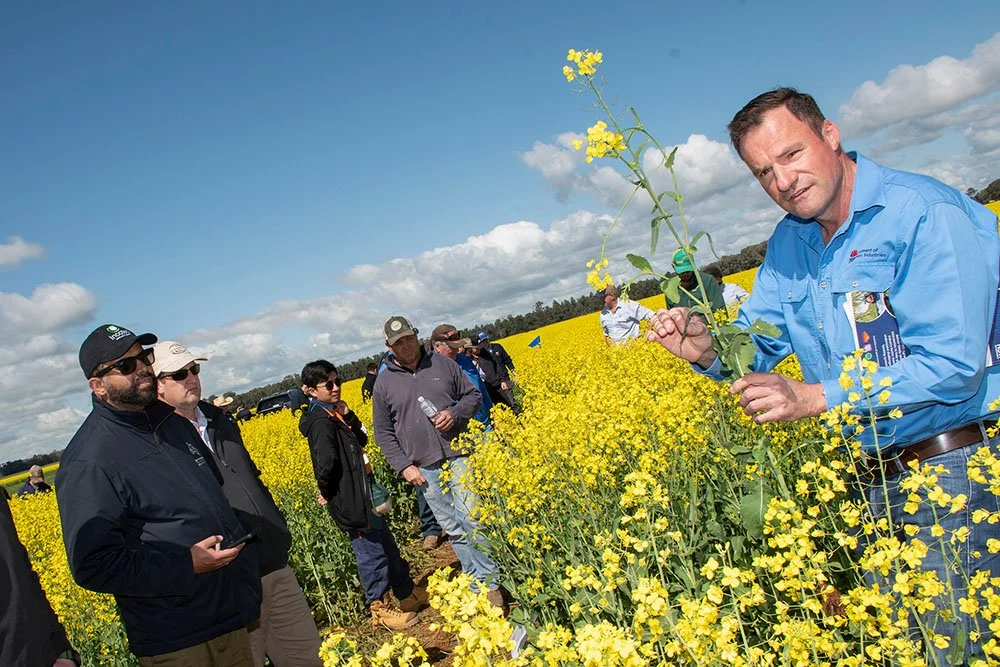
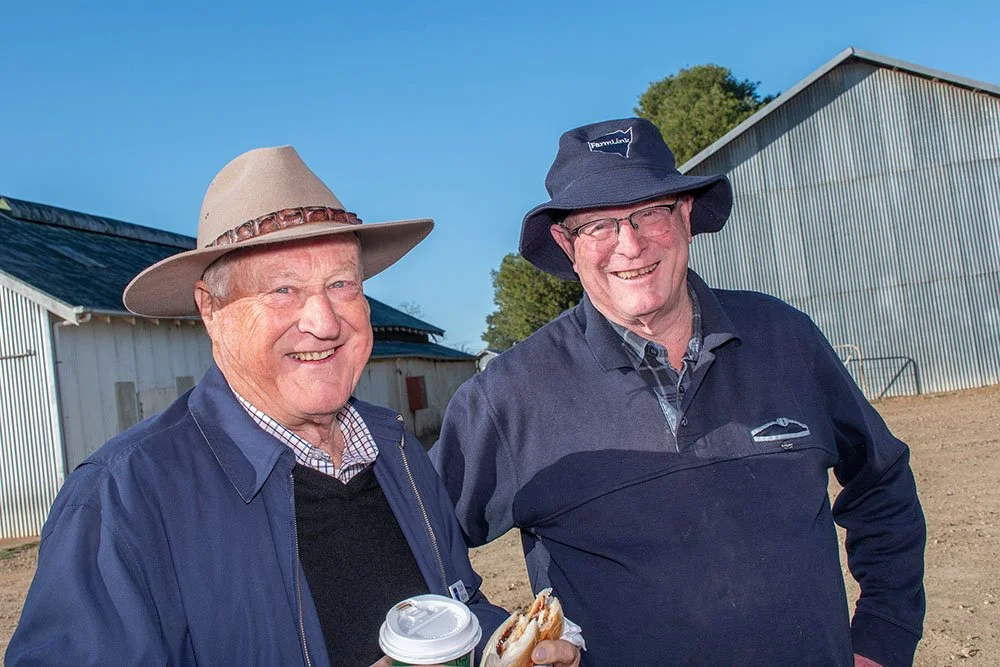
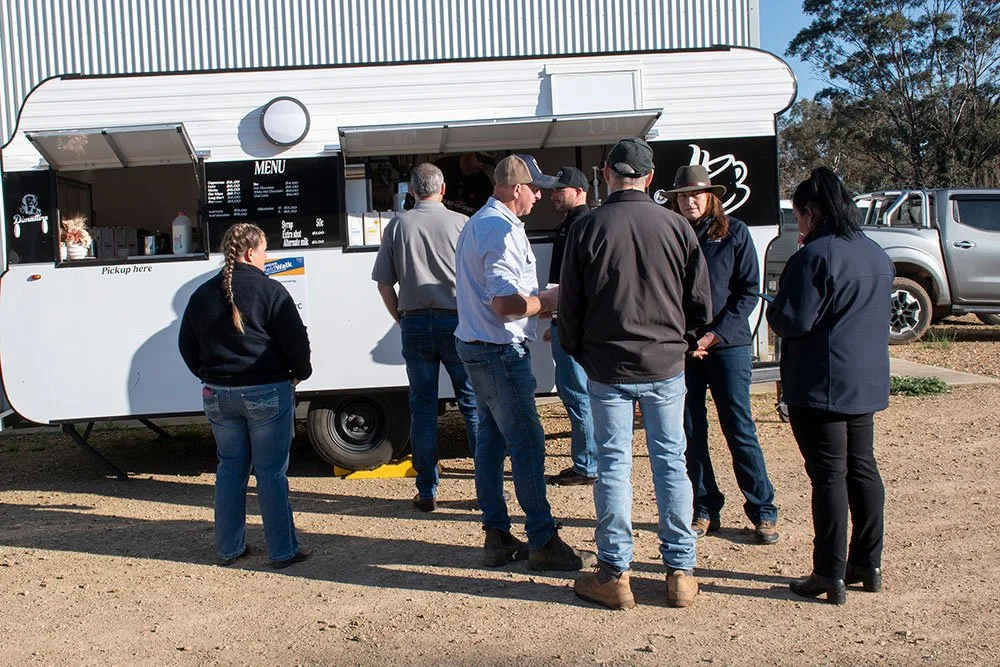
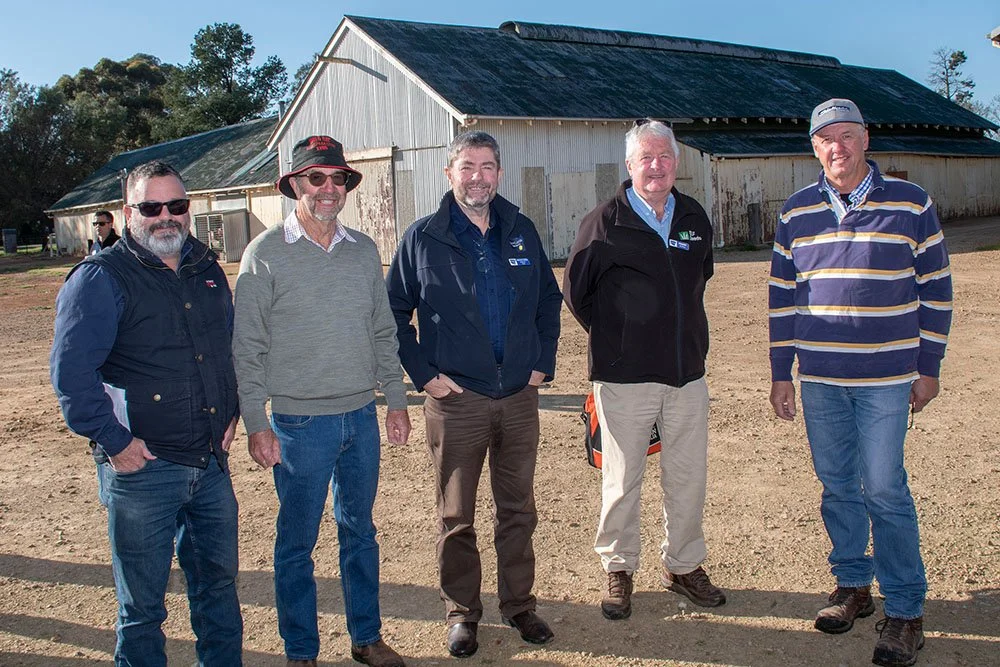
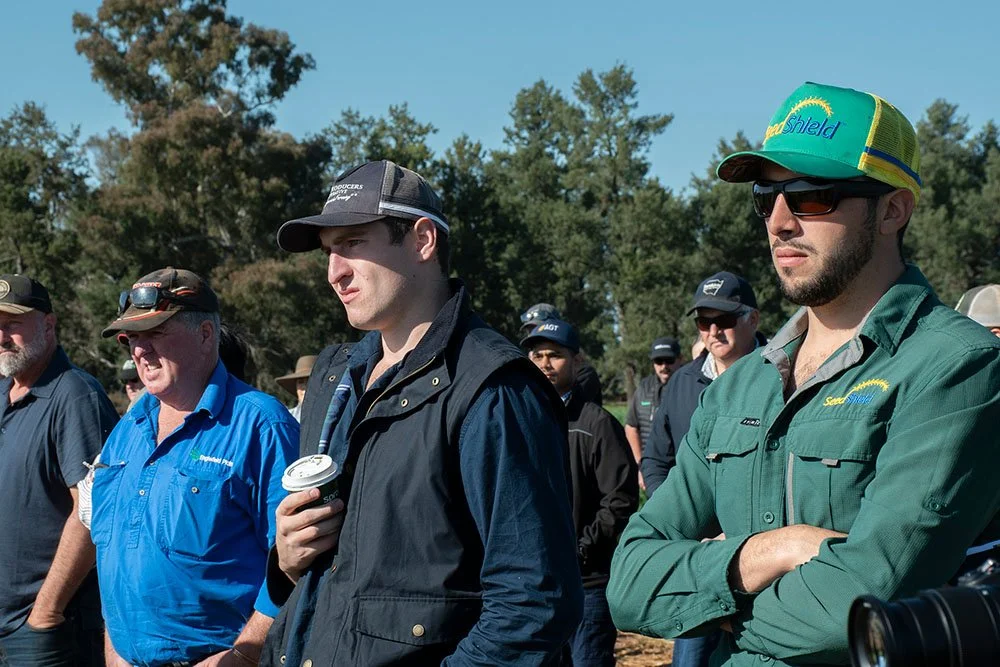
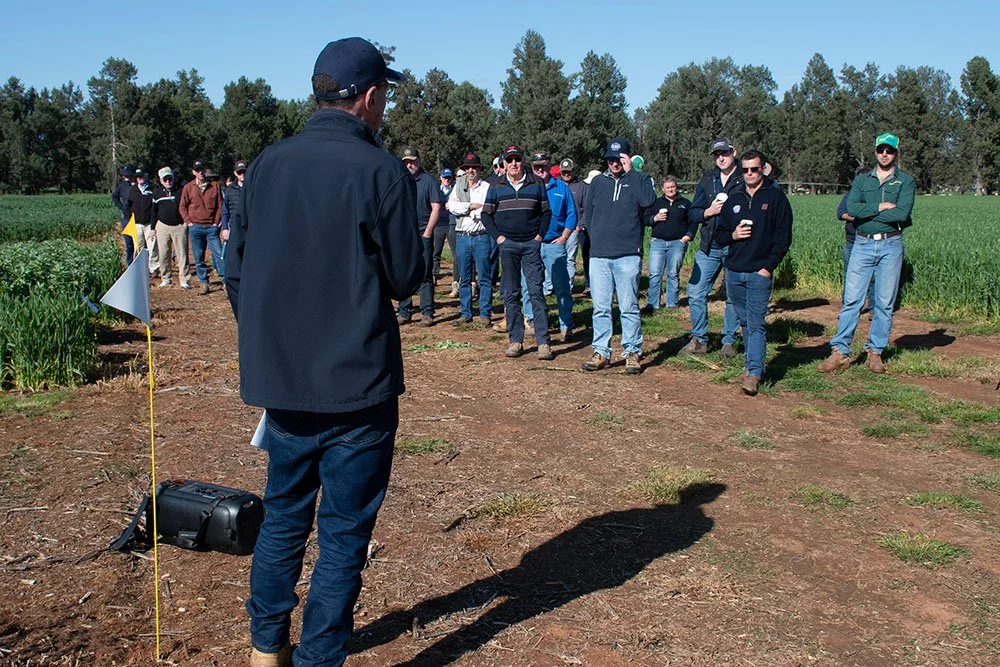
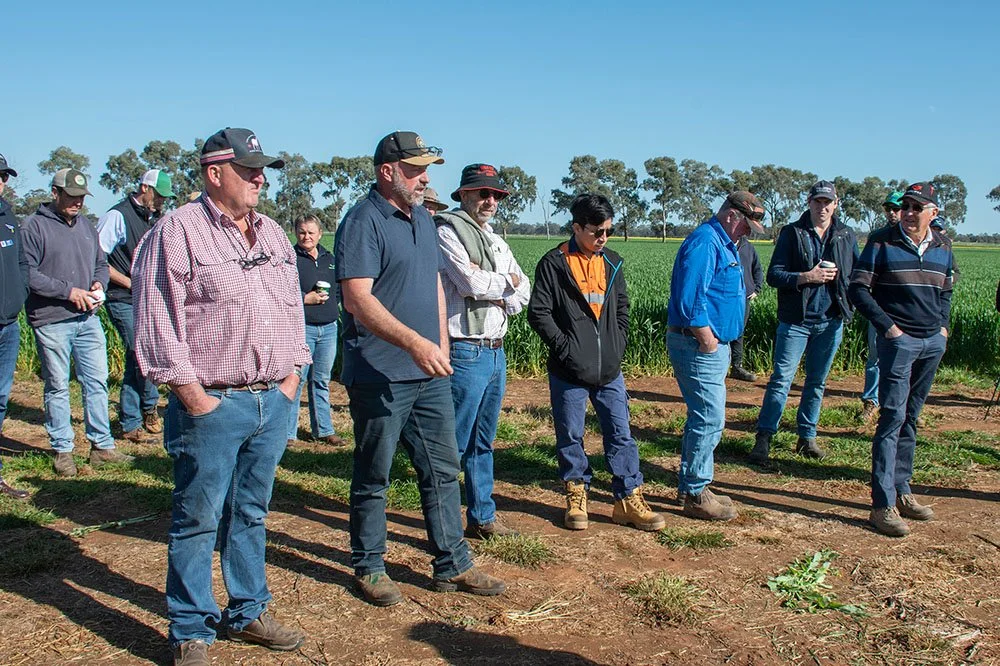
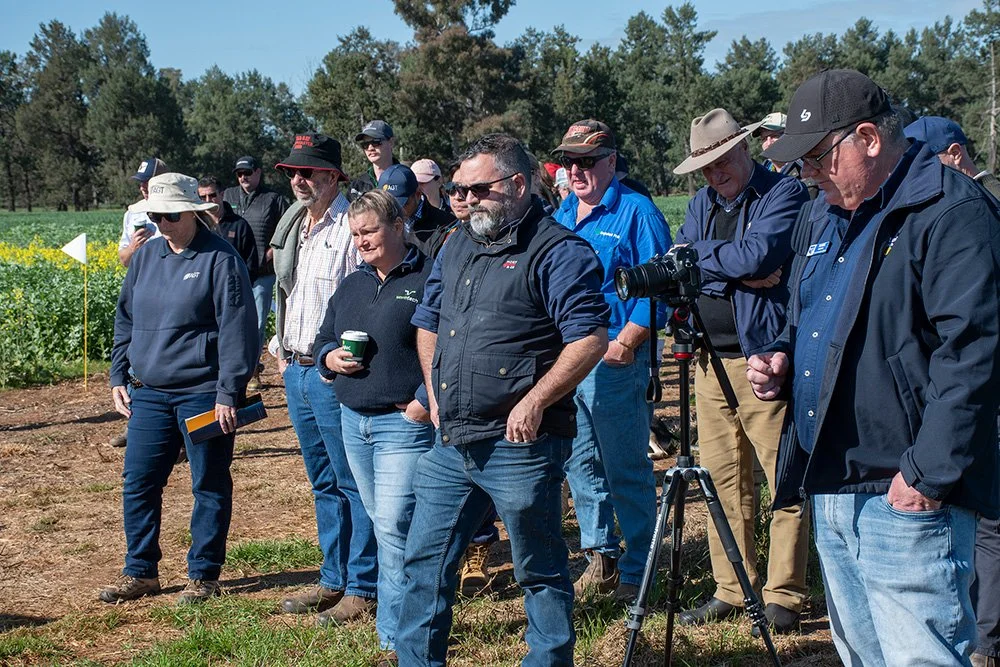
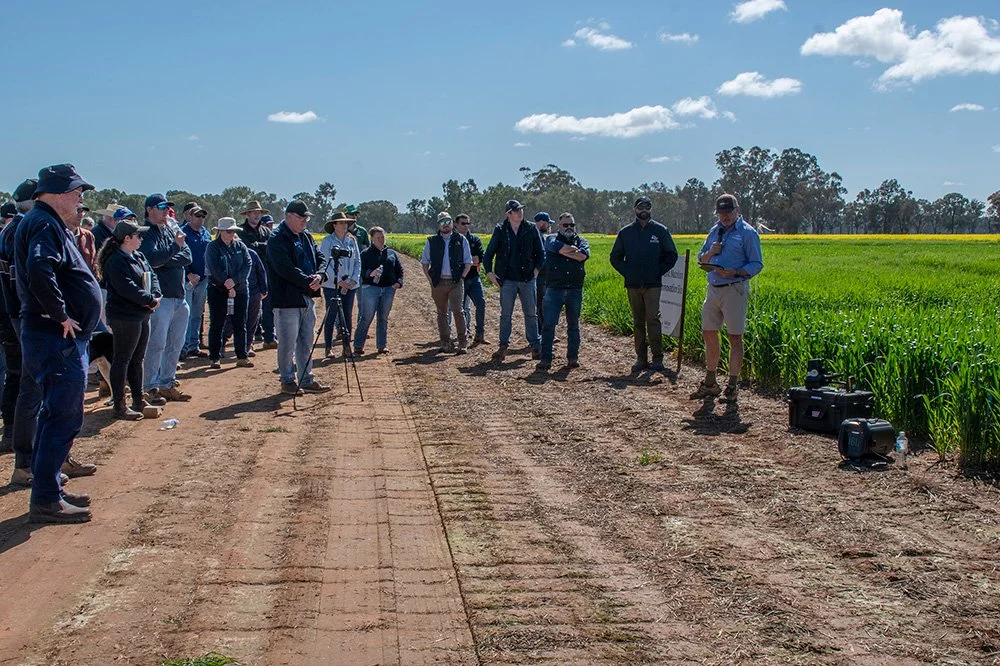
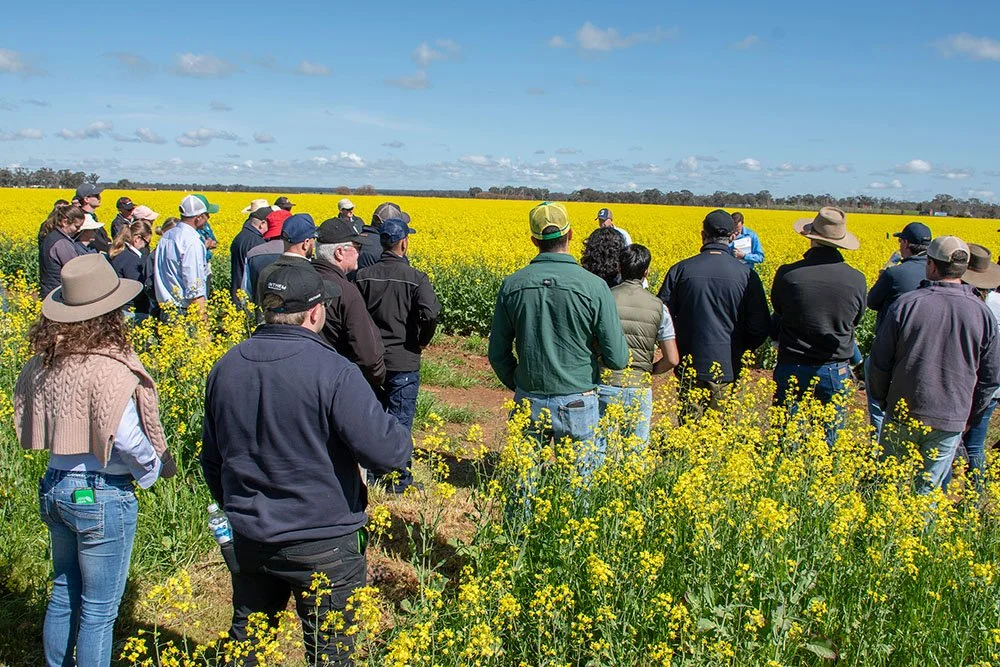
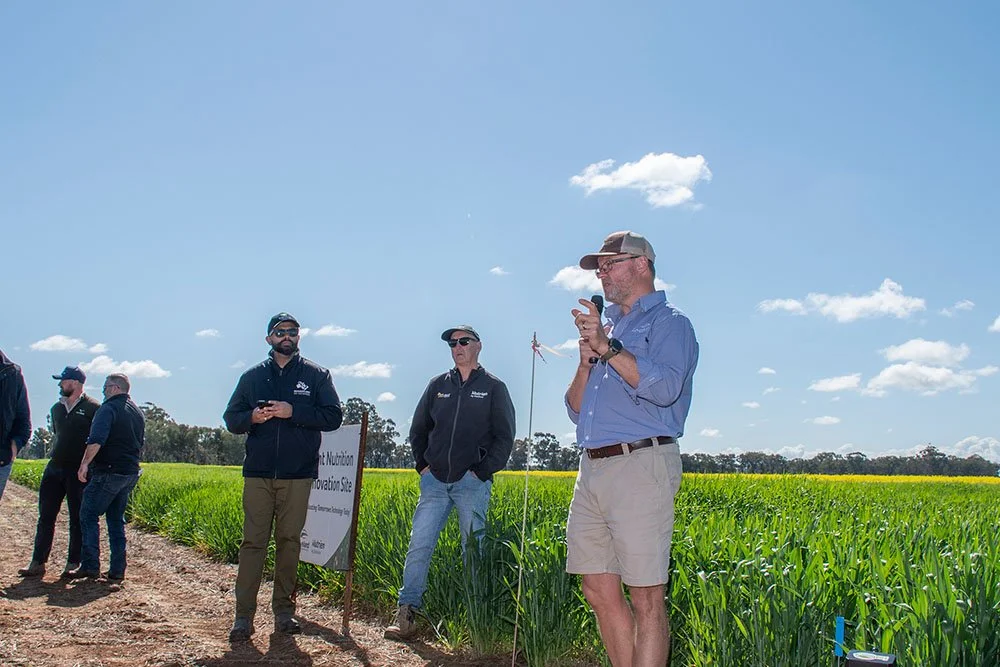
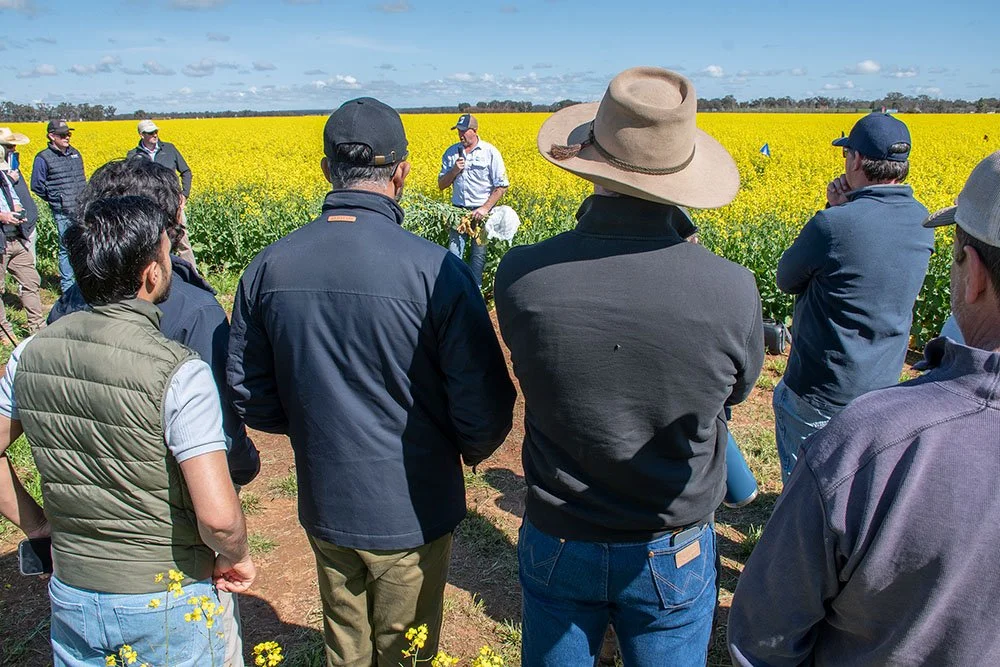
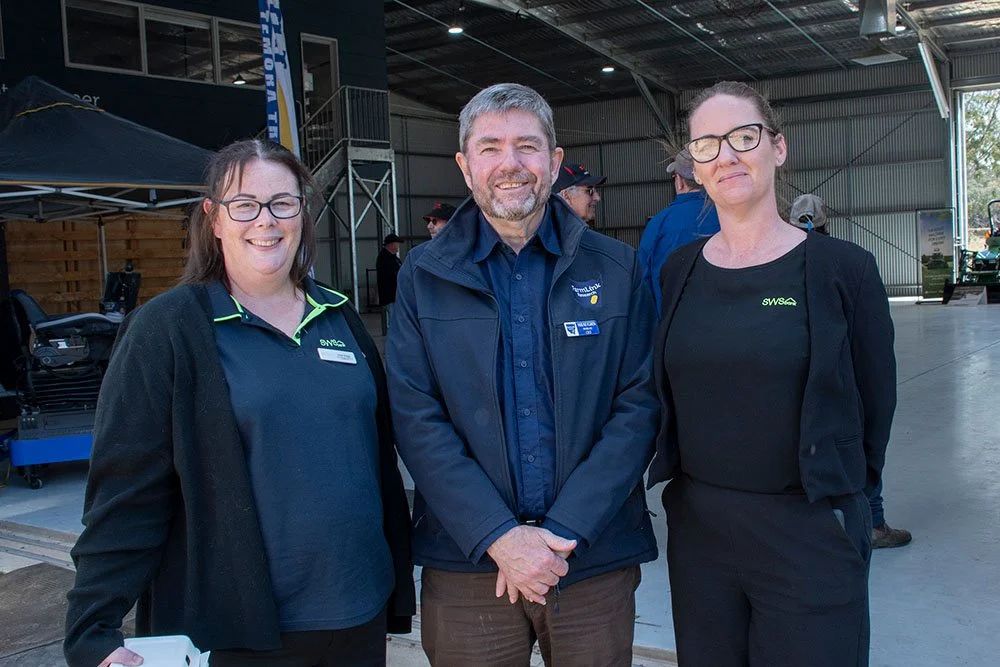
After a wet few days, the weather cleared up for the inaugural FarmLink Field Walks that took place on Friday 4 September, attracting more than 50 farmers to the FarmLink Temora Agricultural Innovation Centre at Trugley Hall Road, Temora.
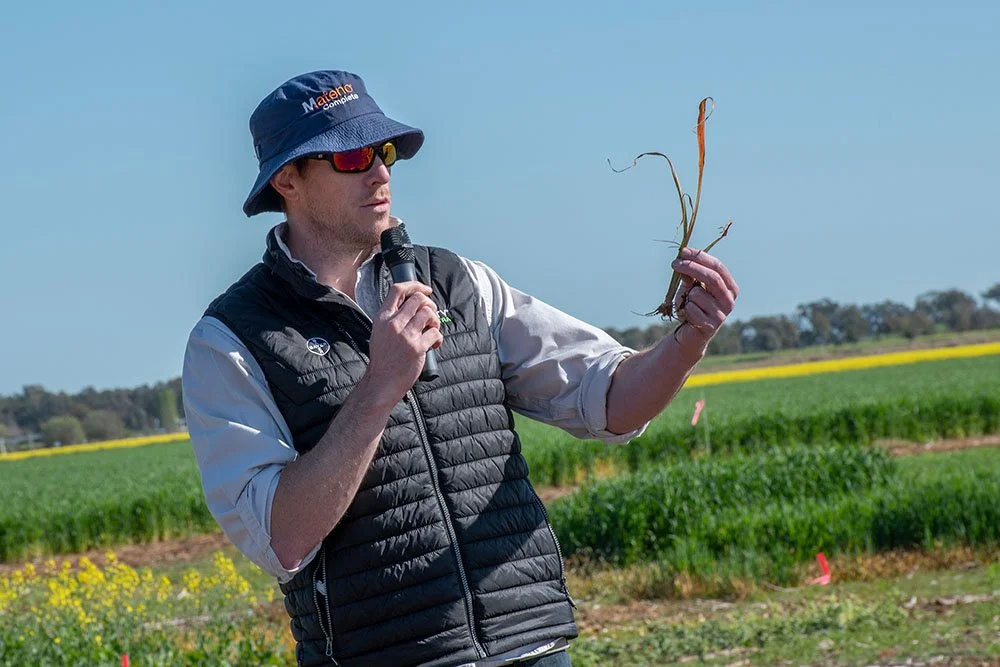
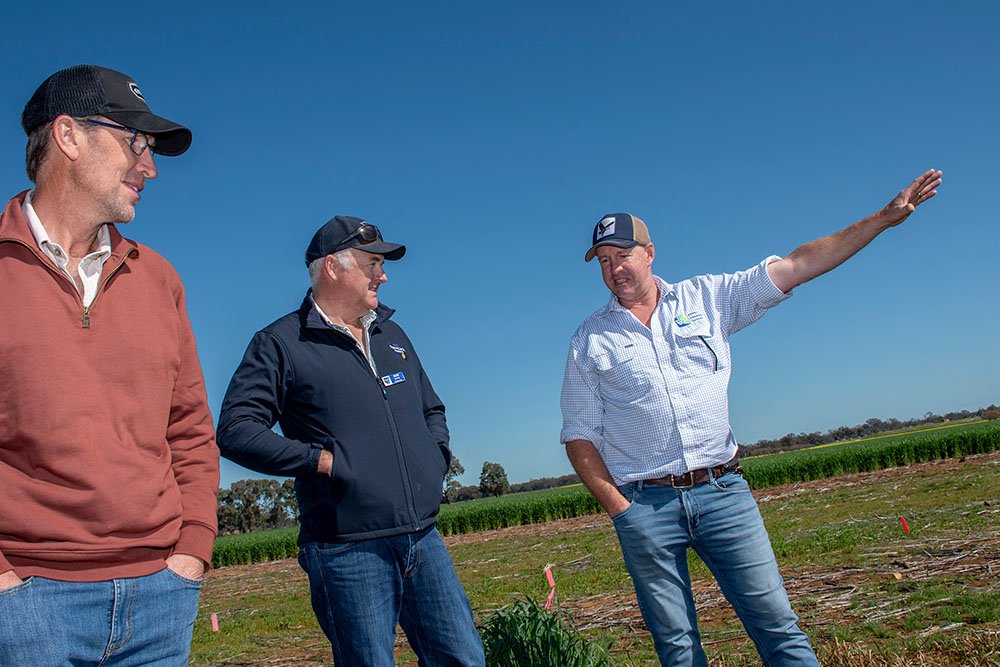
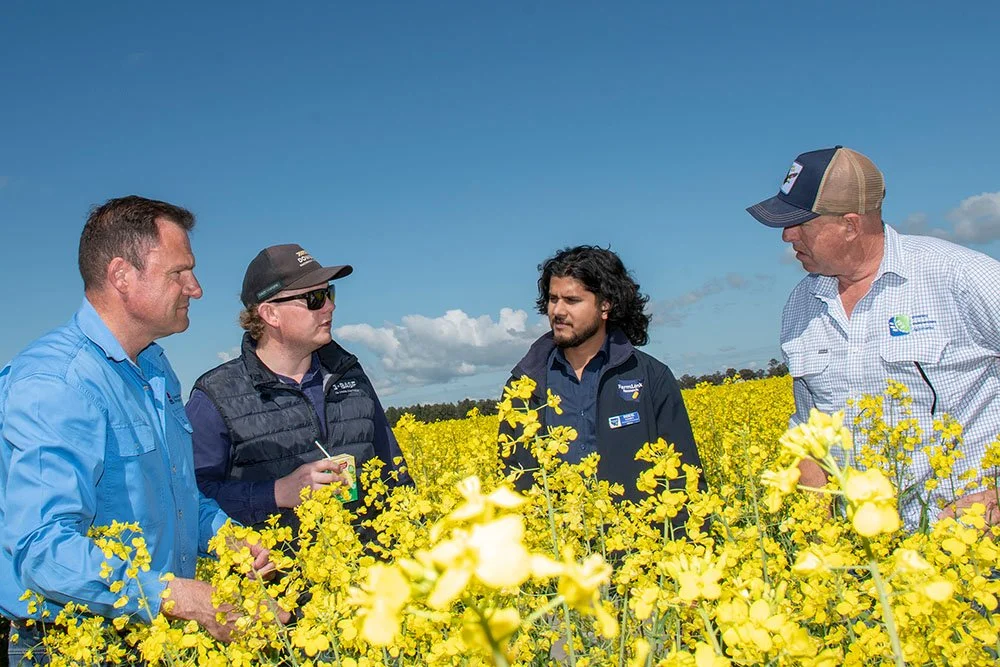
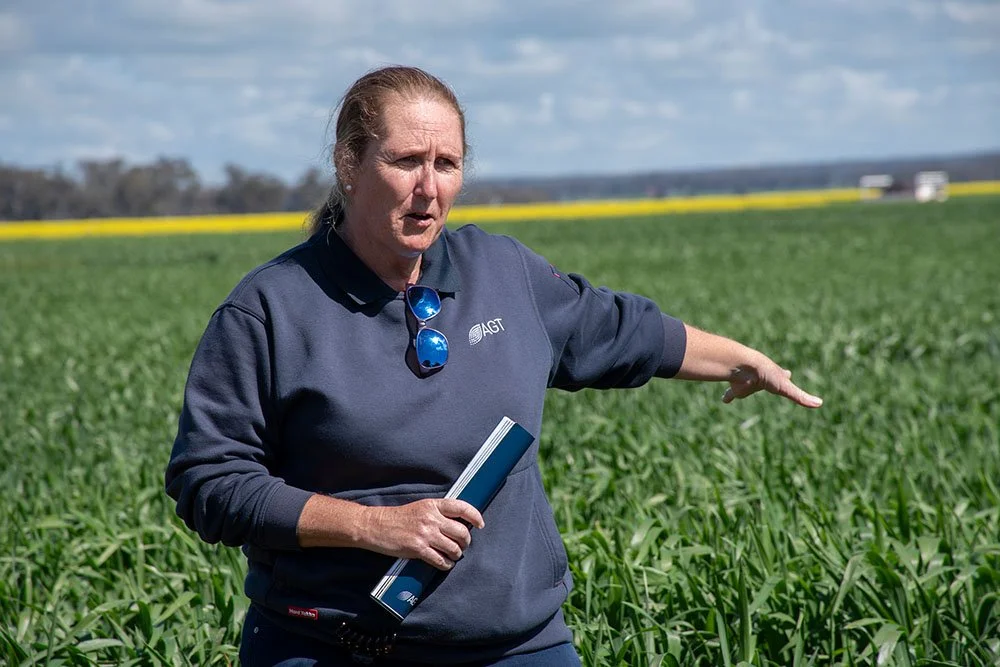
The day focused on putting agriculture into practice by getting out into the paddocks and seeing different approaches firsthand and asking questions as well as creating and strengthening connections within the agricultural community.
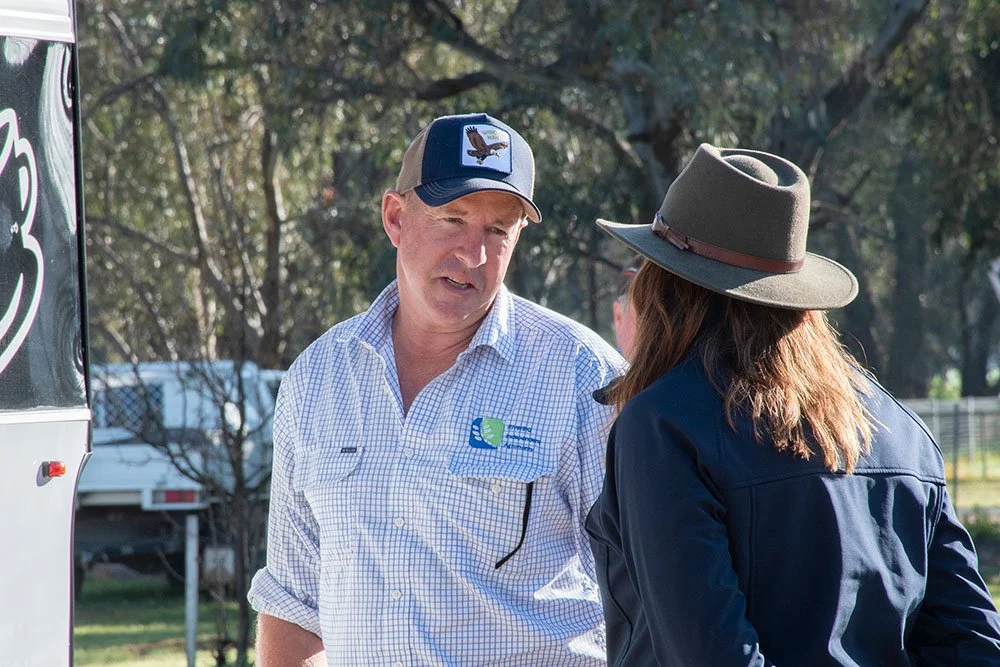
Growers were also encouraged to share their own experiences with each other and seek advice from the experts on hand, and this proved to be very positive with many relevant questions directed to the presenters and other farmers.
Attendees were drilling down on specific questions and scenarios, in particular trials, to make sure that the information they were receiving was relevant and applicable to their own farm situations.
FarmLink CEO, Shaughn Morgan said that the response to the field walks was reasonably good for an inaugural event, although it would have been great to see more people but given that this is something that’s new compared to previous years the roll-up of farmers was excellent.
“As with any day farmers will not know until the morning whether they can turn up because of conditions but those that were there, I think, greatly enjoyed the opportunity to be focused on the trials themselves out in the paddock,” Mr Morgan said.
“These were directly relevant to farmers and their farming enterprises and as you know one of the core keys of what an experimental farm like FarmLink is about is to make sure that farmers farms are productive, sustainable and profitable.”
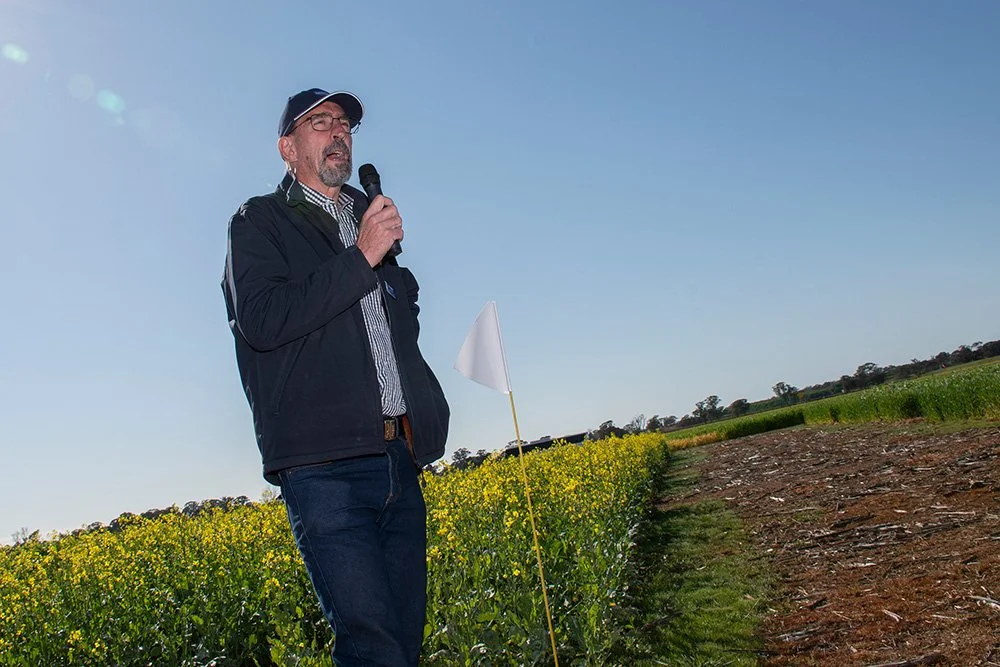
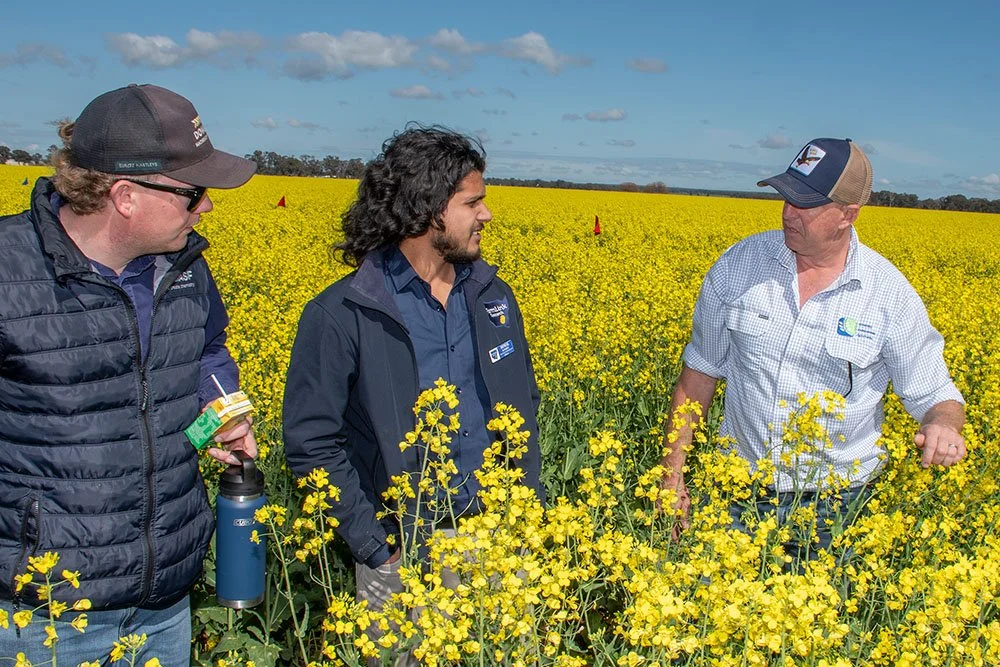
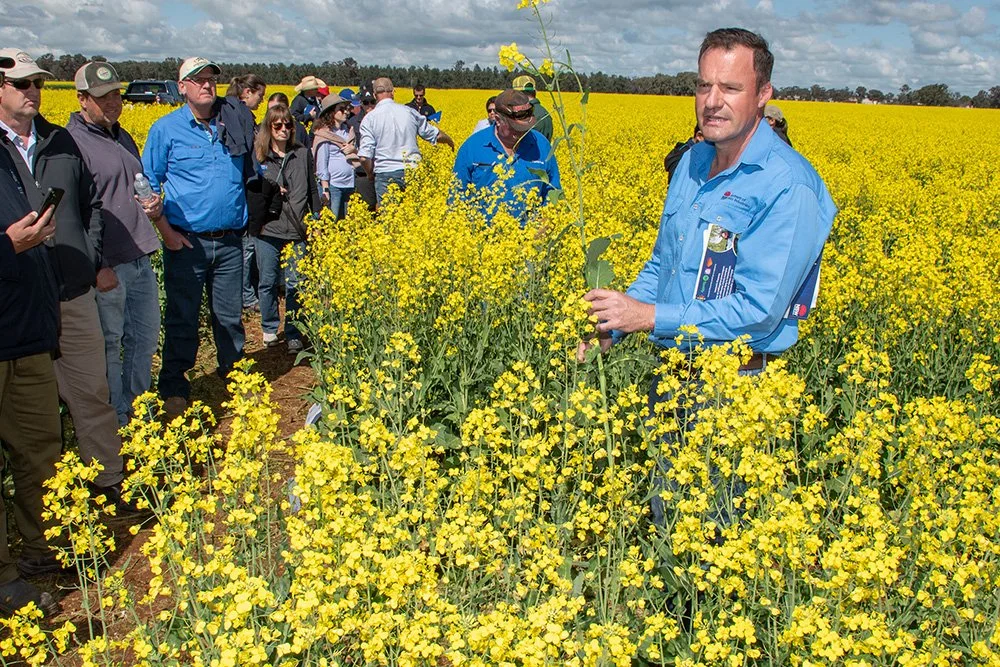
There were eight featured trials being showcased on the day including Intercropping trials presented by Mark Skewes, FarmLink’s Principal Research and Extension Manager.
He explained the benefits of disease mitigation and nitrogen gain from growing crops such as canola and faba beans or wheat and faber beans intermixed together.
There was new technology on show as Jo White from DataFarming demonstrated how satellite imagery combined with other data such as weather information can assist growers in identifying crop disease risks and produce modelling gained from the technology to target their management of the risk factors.
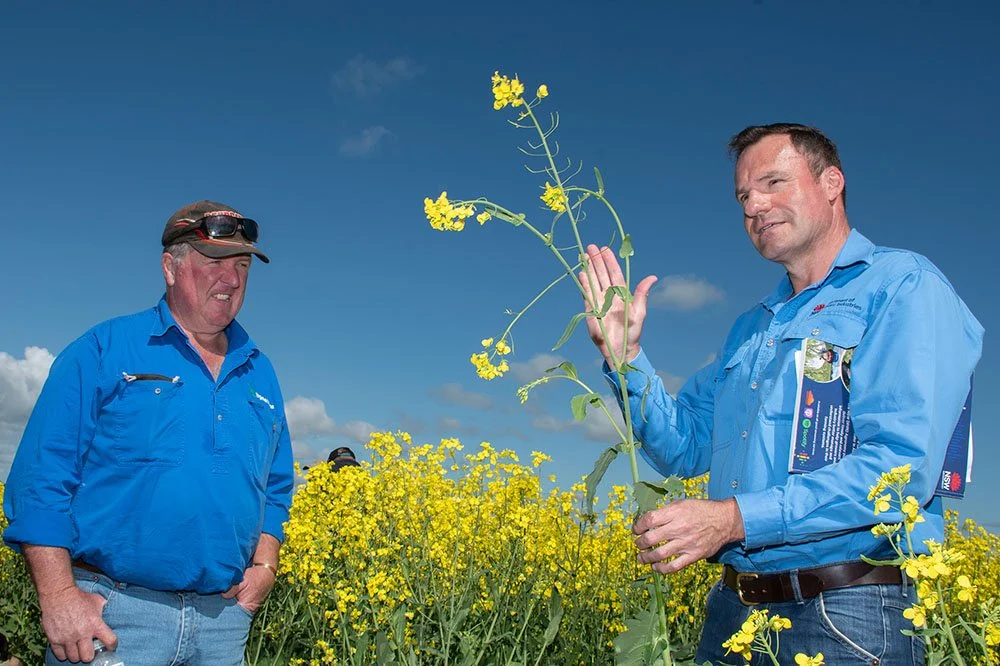
Canola Blackleg fungus management trails garnered interest with Neil Durning from Riverina Independent Agronomy and Kurt Lindbeck from the NSW Department of Primary Industries and Regional Development (DPIRD) discussing the various protection methods and fungicide resistance.
Mr Morgan added that farmers were positive about the event, saying that it was very well organised and extremely relevant to their farm practice.
“Those comments really made it to me worthwhile to move from where we were with the open day to make it more beneficial as a field walk,” Mr Morgan said.
“The other great thing about doing a field walk is the fact that these particular trials can’t be done on a farmer’s property.
“There can be residue herbicides that may not necessarily be known the impact of which for a couple of years. So, they can’t have it on their paddock.
“Where best to do it but on a trial experimental farm like that at Temora with Farmlink as the manager of it to be able to find out what works what doesn’t and how do they move it forward in a productive sustainable way.”
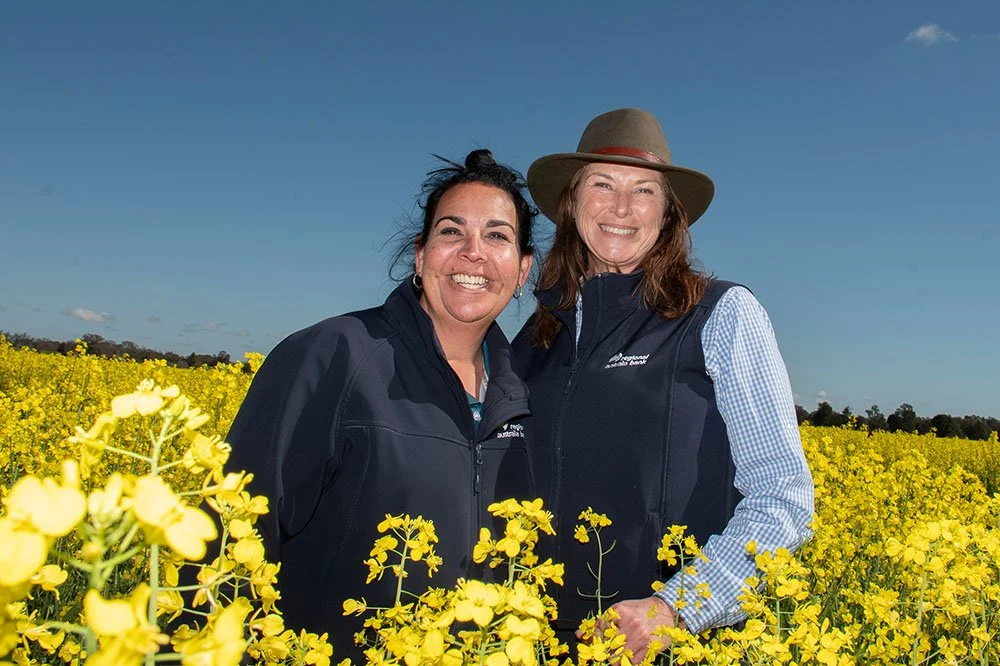
Farmlink chair Rob McColl was pleased with the response by farmers and the support FarmLink received from the agricultural community, all the sponsors and field trail participants that corroborated on the day to help advance farming in increasingly challenging times.
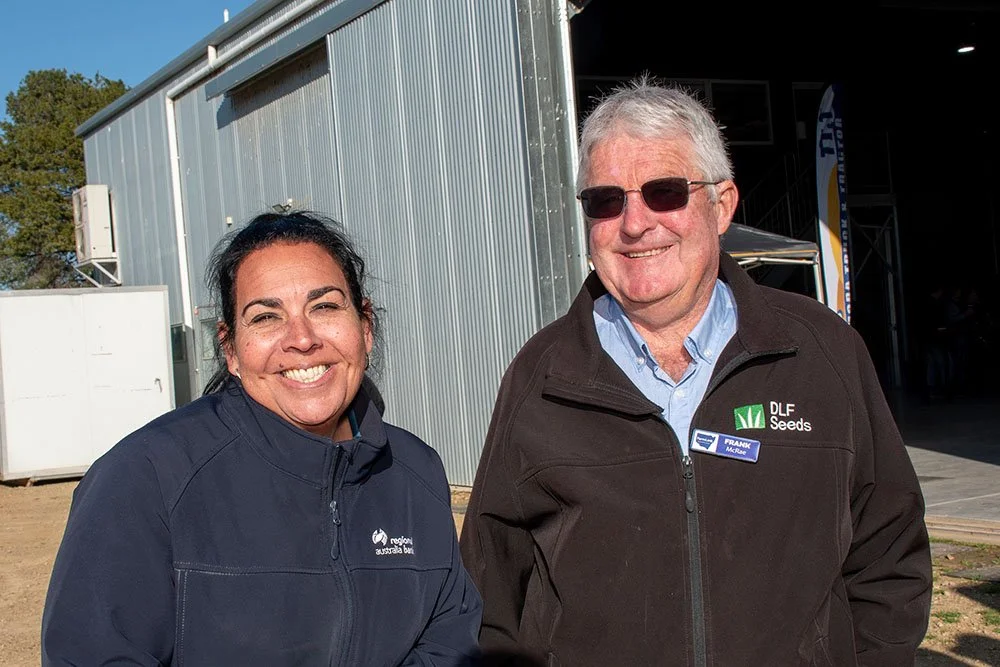
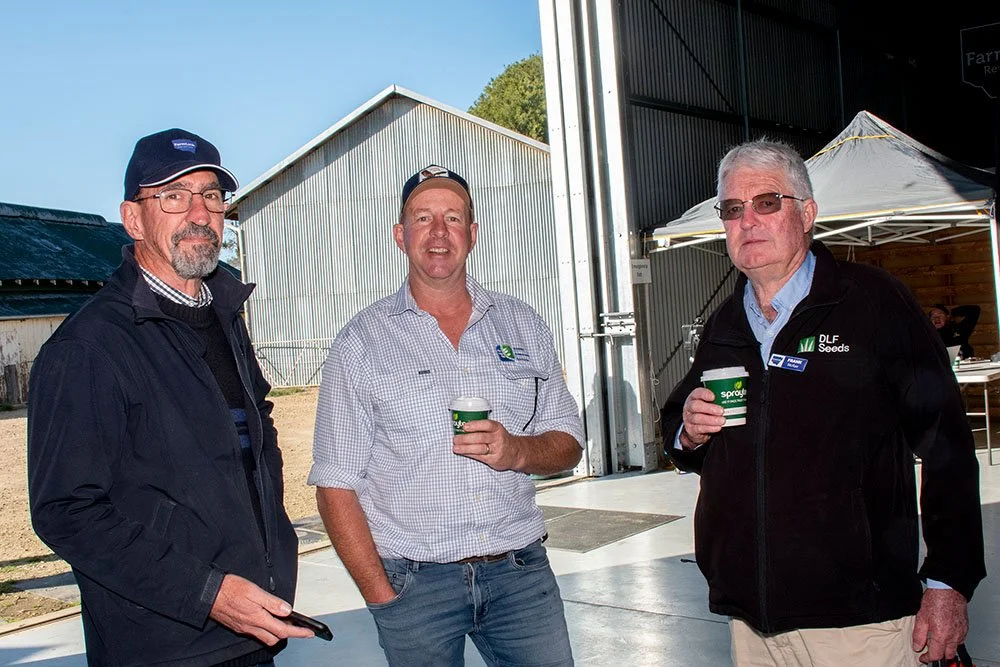
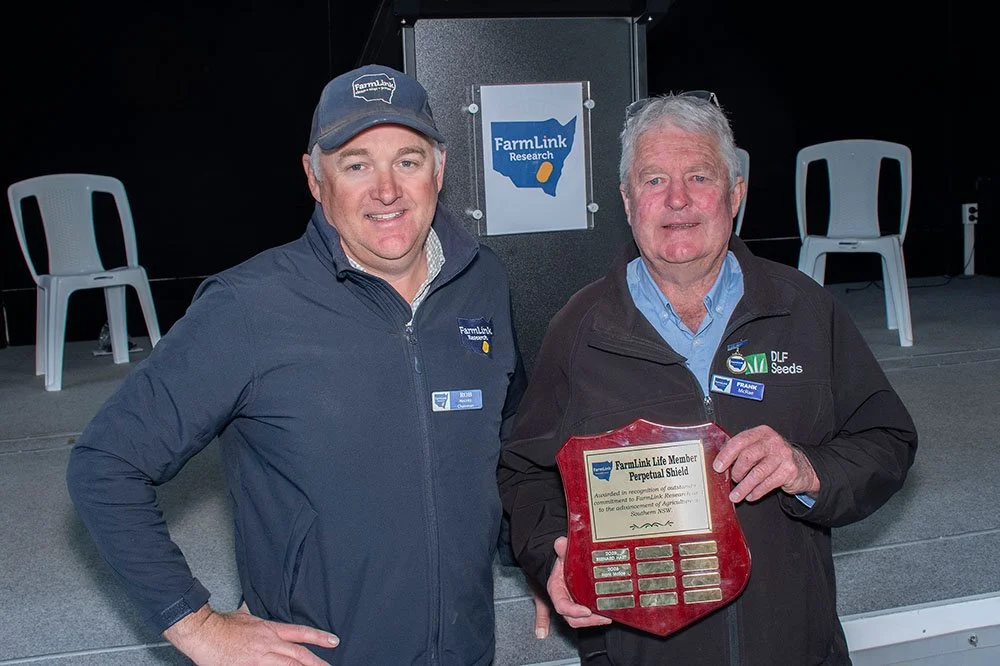
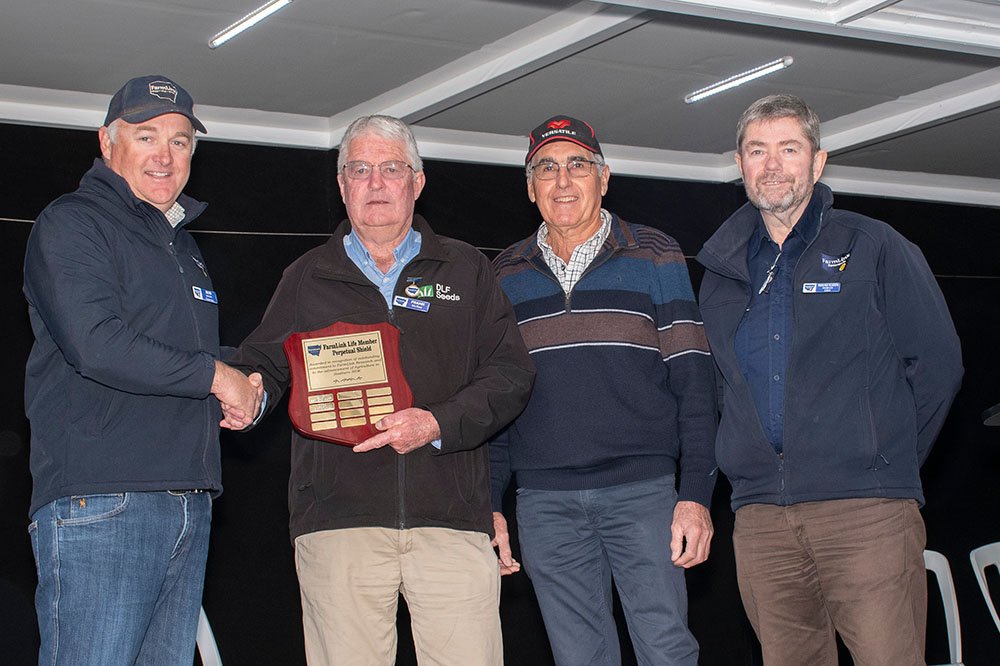
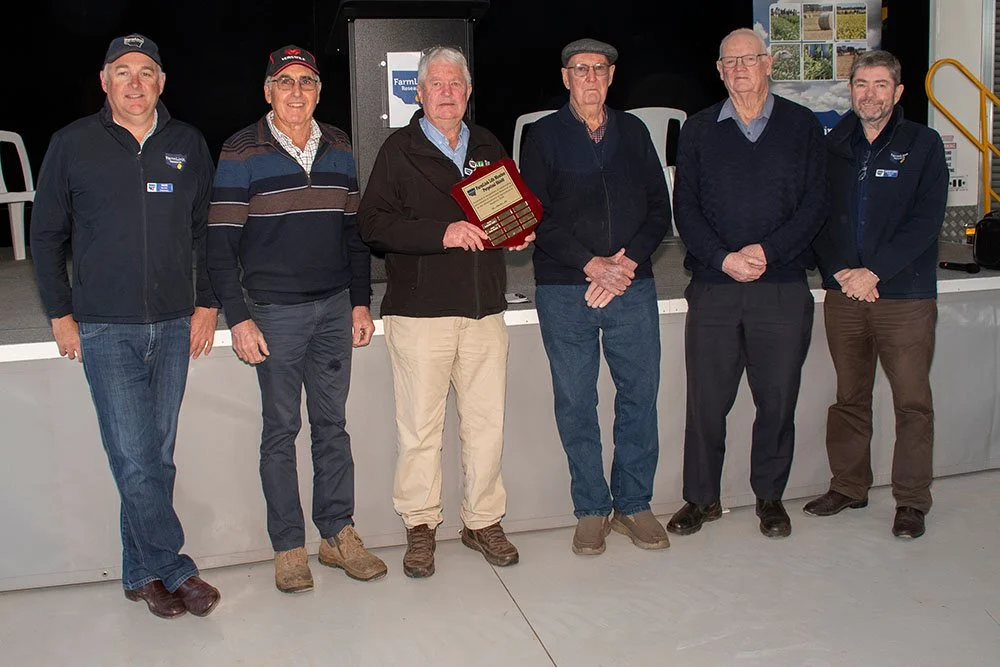
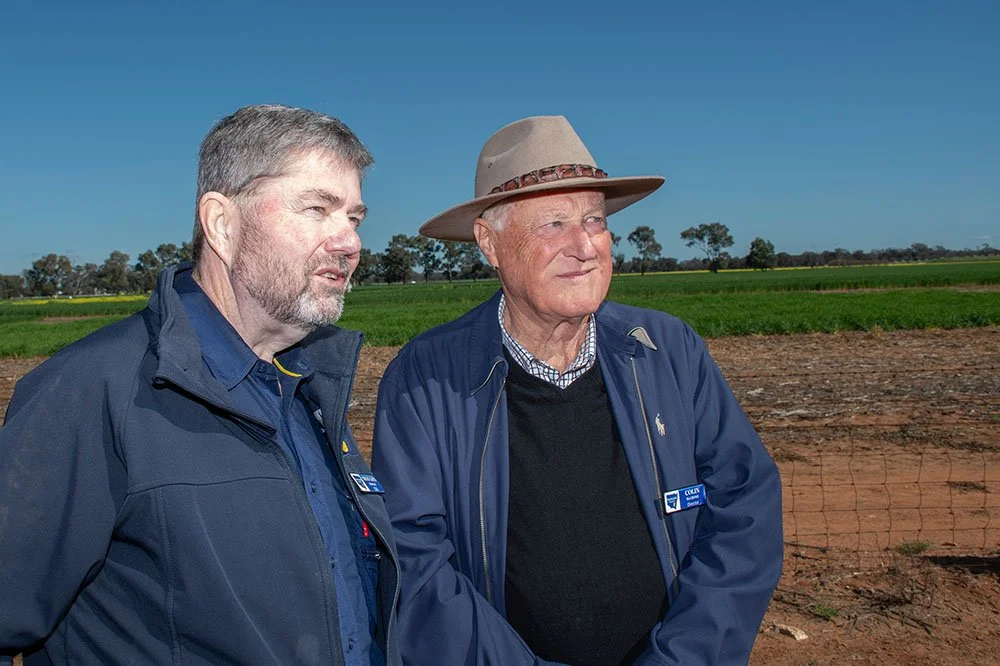
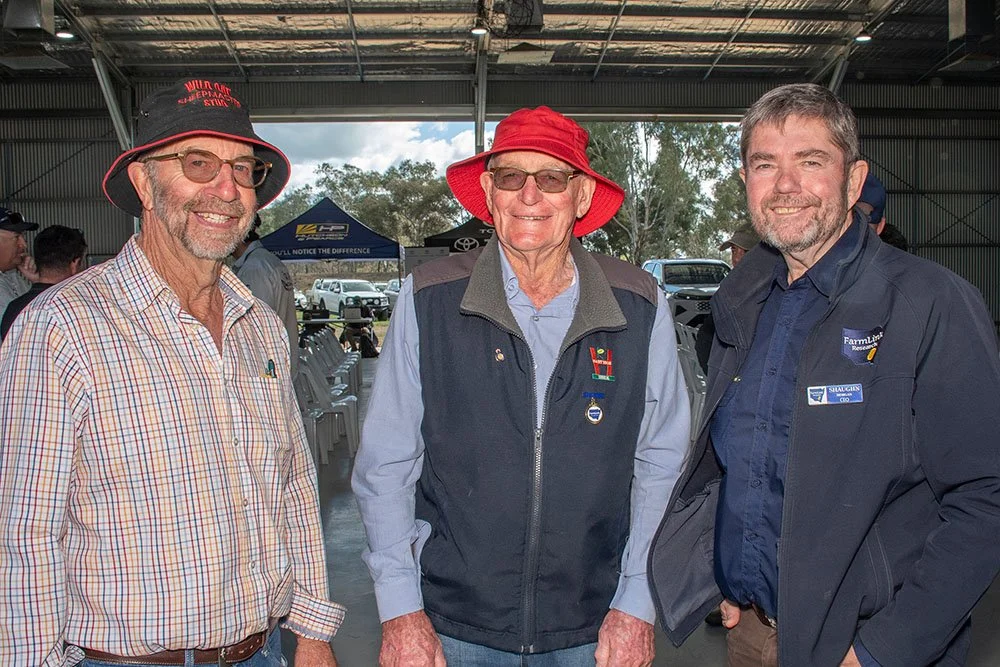
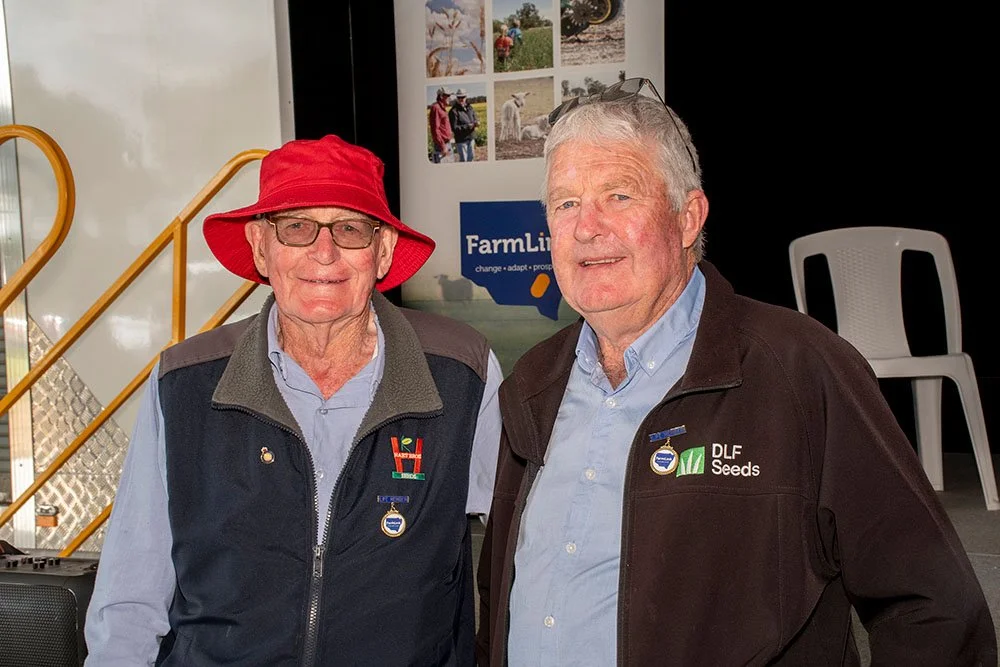
The day also featured the presentation of the organisations second Life Membership Award to Frank McRae acknowledge the long-standing contributions he has made to agriculture in southern NSW.
Mr Morgan said that it was reflective of his commitment to agriculture since his days at NSW Department of Agriculture when he worked at the experimental farm way back then to now, still being a part of not only the formation of FarmLink but continuing to contribute as a board member of the organisation.
“His commitment just typifies those who have been involved with FarmLink since its formation in 2004.”
The day ended with a panel discussion looking at how to make the most of livestock in a mixed farming venture.