Intercropping in Southern NSW
Investigating practical opportunities for intercropping in Southern NSW farming systems
Project Funder: GRDC
Project Code: FLR2606-001RTX
Duration: 2026–2028
Locations: Temora and Marrar, NSW
Why Intercropping?
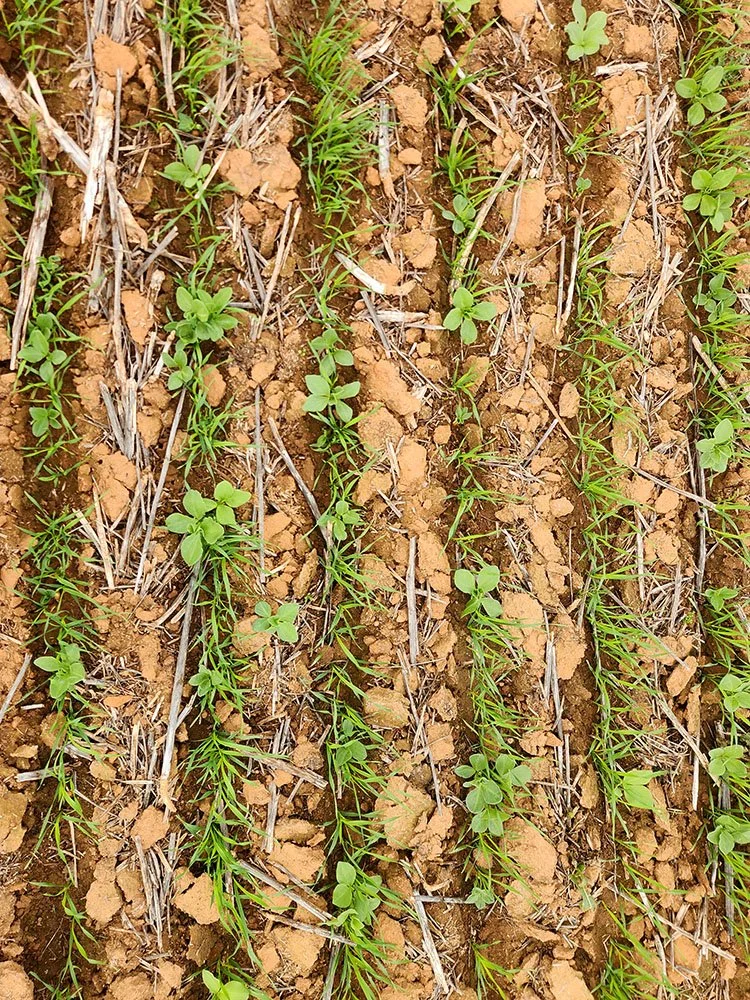
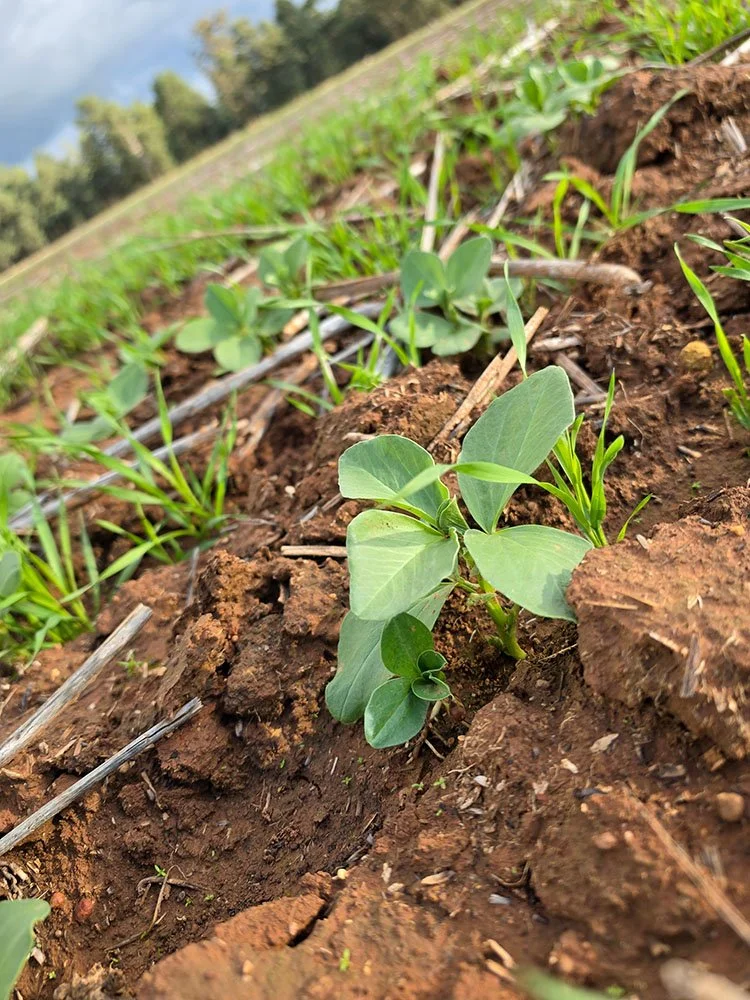
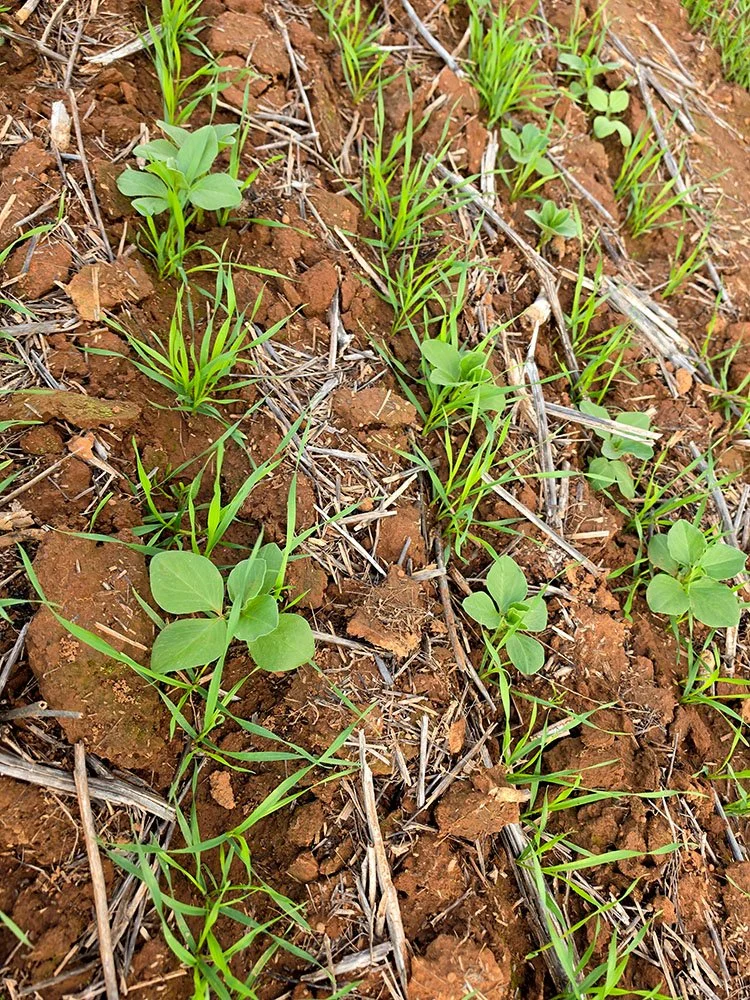
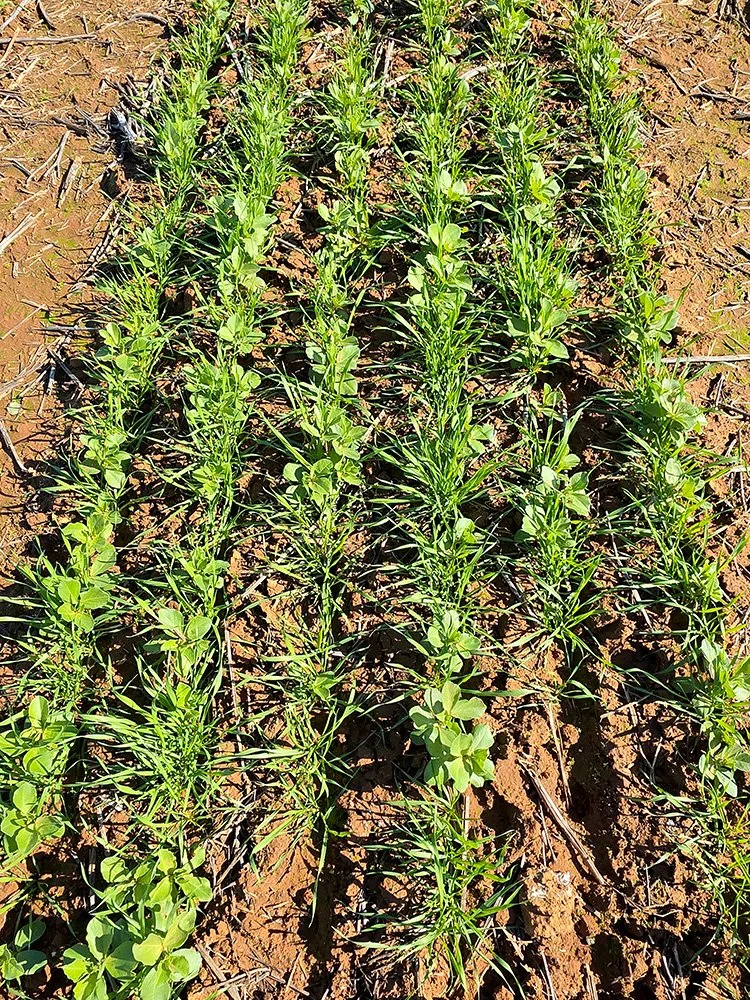
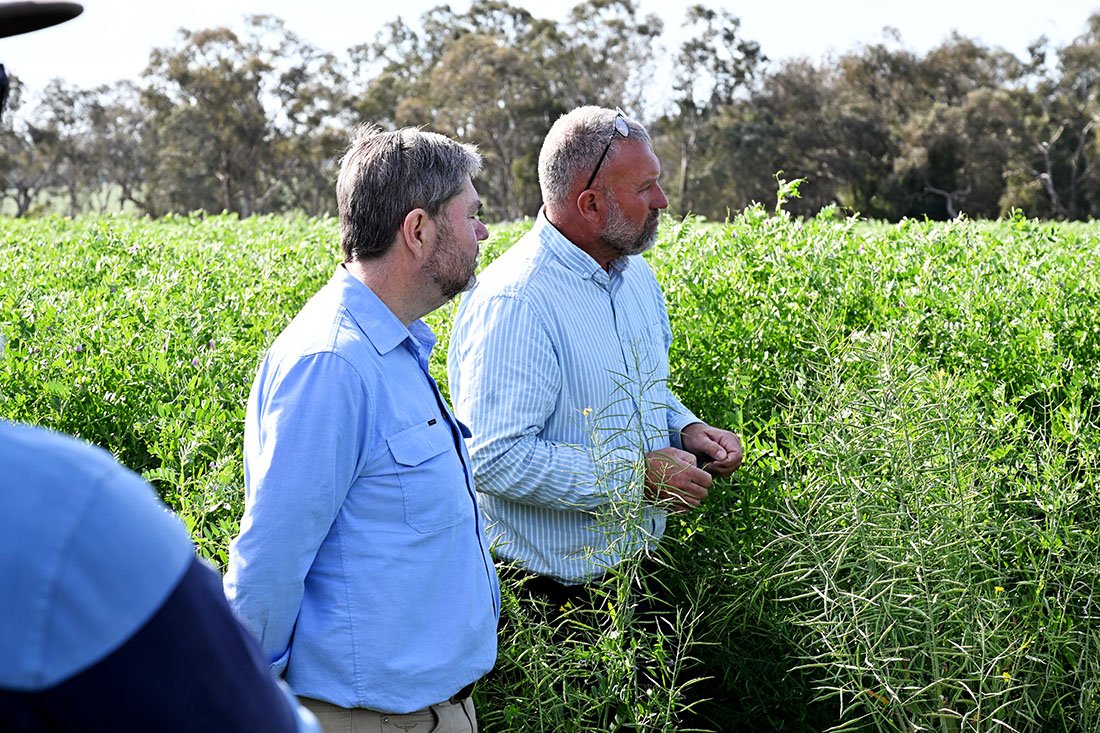
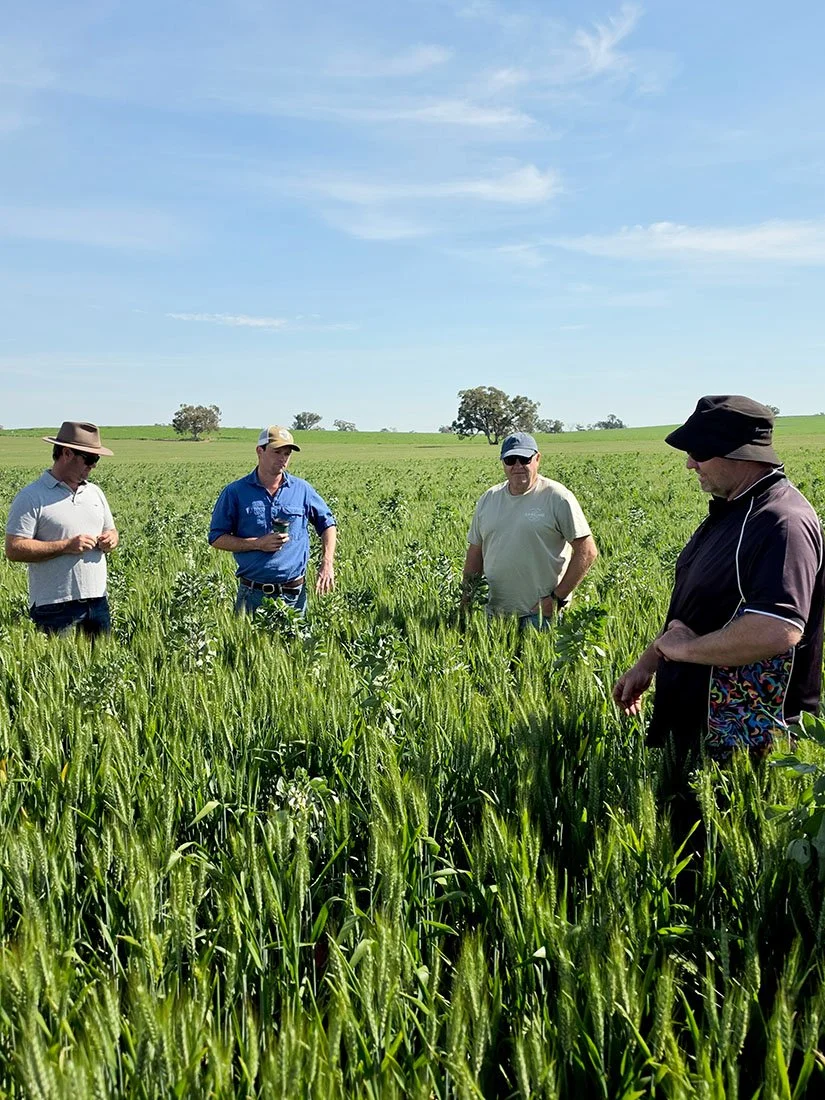
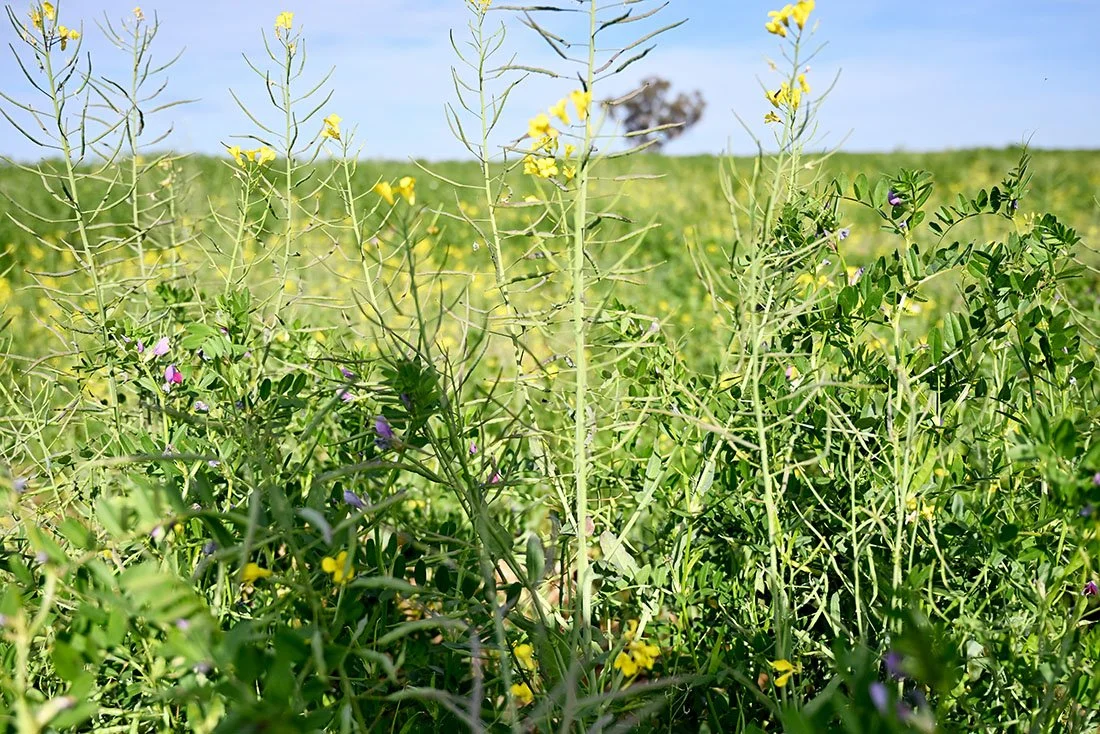
Intercropping, where two or more crop species are grown together in the same paddock, has been identified as a promising strategy for improving the productivity, resilience and sustainability of Australian grain farming systems.
Research and grower experience suggest intercropping can deliver a range of benefits, including:
Improved use of water, nutrients and sunlight
Increased groundcover and soil protection
Reduced production risk
Improved rotational diversity
Enhanced nitrogen cycling through legume inclusion
Greater resilience in challenging seasons
Despite its potential, intercropping remains relatively uncommon in Southern NSW. Many growers are interested in the concept but want local evidence showing how these systems perform under commercial conditions and what management challenges need to be considered.
About the Project
This three-year project will generate practical, locally relevant information to help growers better understand where intercropping can add value within their farming systems.
Working with experienced intercropping growers, FarmLink will establish demonstration sites and replicated field trials comparing traditional monoculture crops with intercropping combinations, such as cereals and legumes.
The focus is on practical outcomes that matter to growers, including productivity, risk, nitrogen dynamics, crop management and harvest performance.
What We’ll Measure
The project will evaluate:
Crop establishment and development
Plant populations and growth stages
Disease and weed interactions
Grain yield and harvest outcomes
Nitrogen contributions from legume components
Practical management considerations and risks
Building Local Knowledge
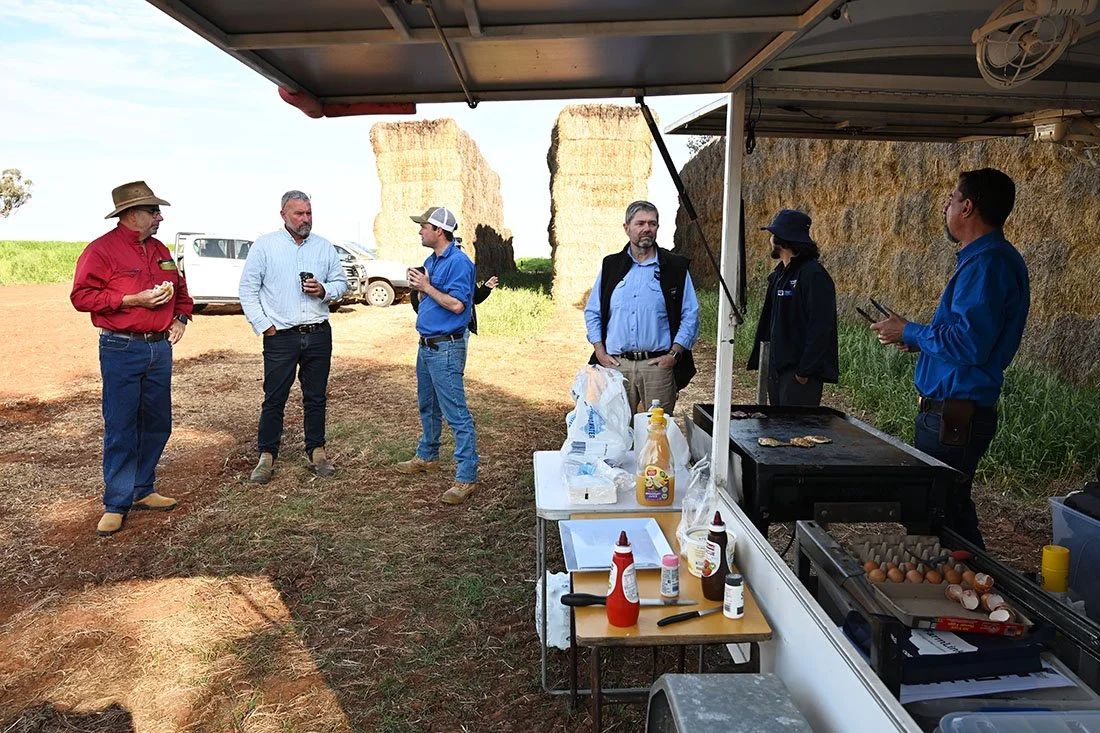
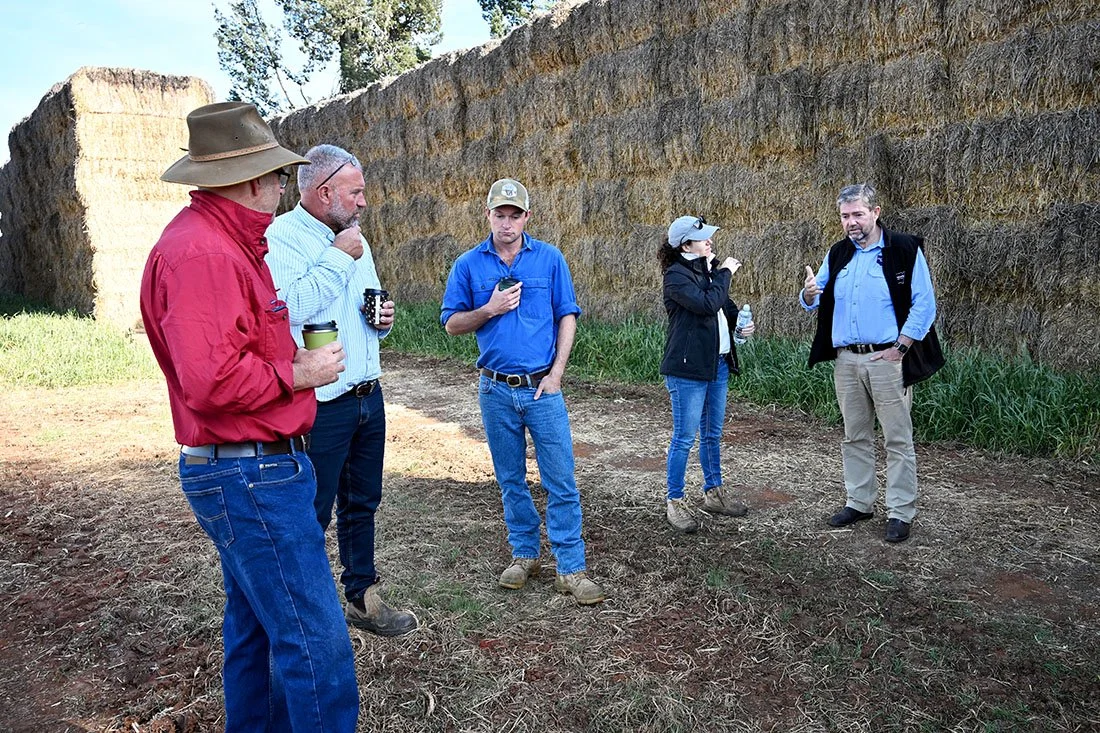
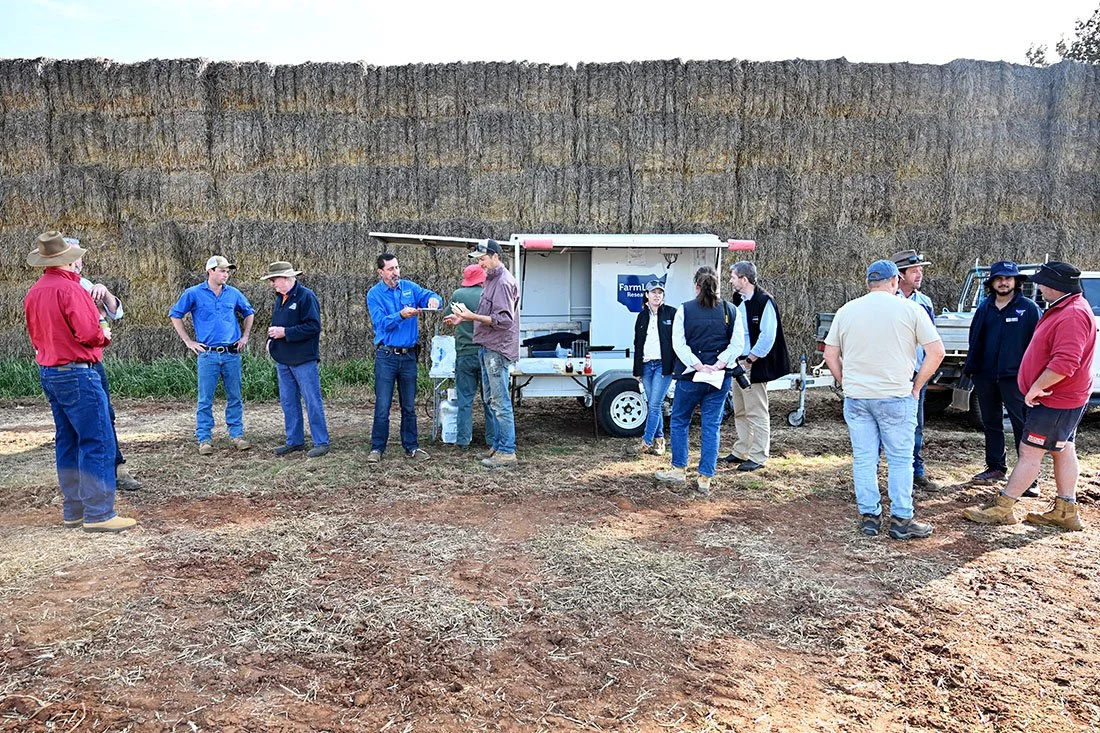
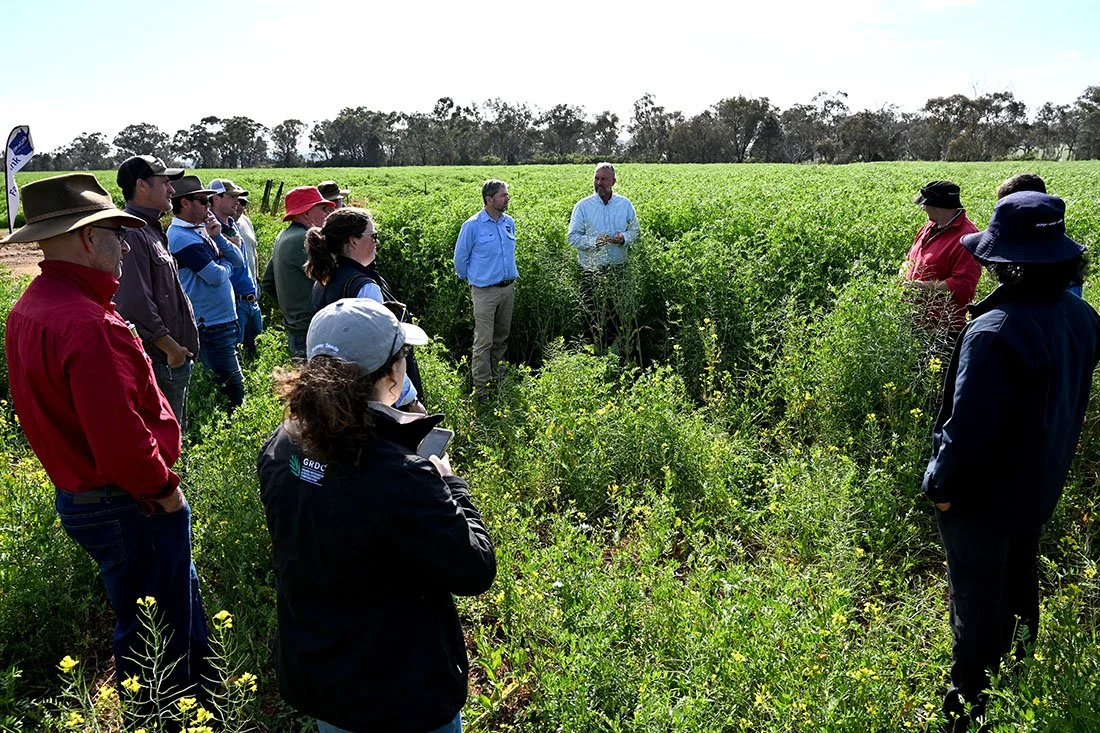
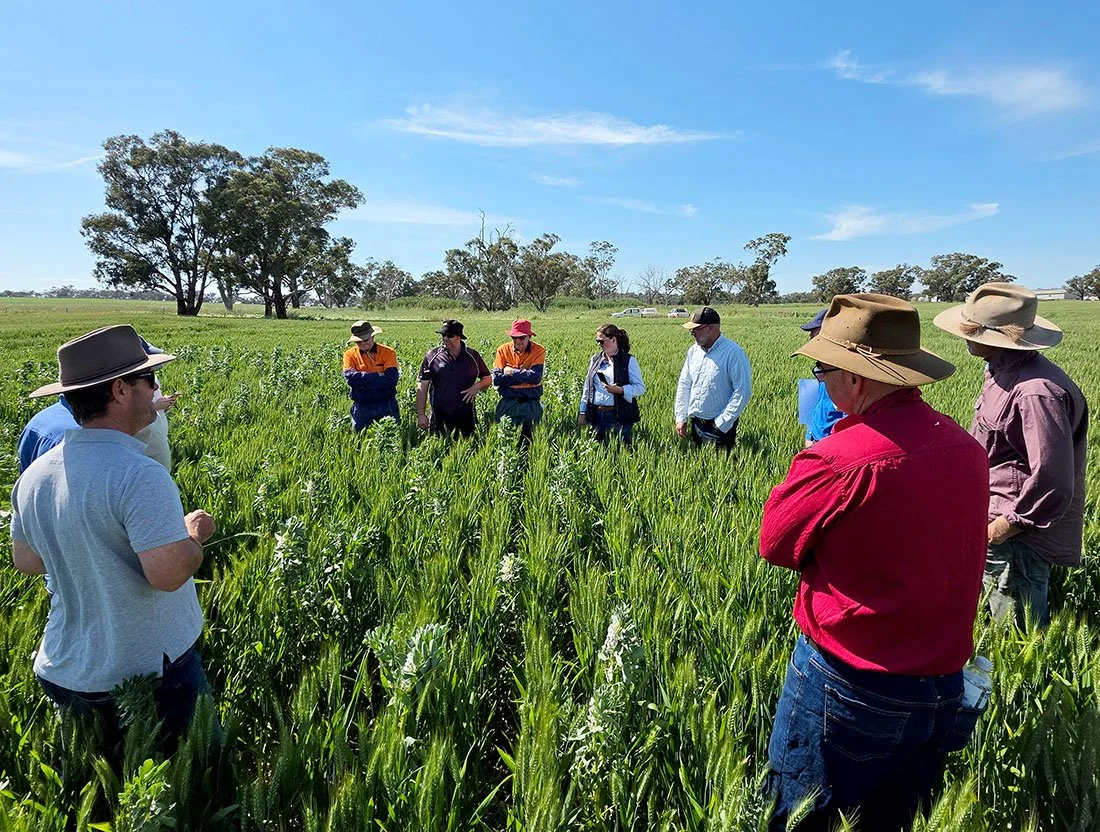
A key aim of the project is to improve grower confidence and understanding of intercropping through local demonstrations, discussion and shared learning.
Activities will include:
On-farm demonstration sites
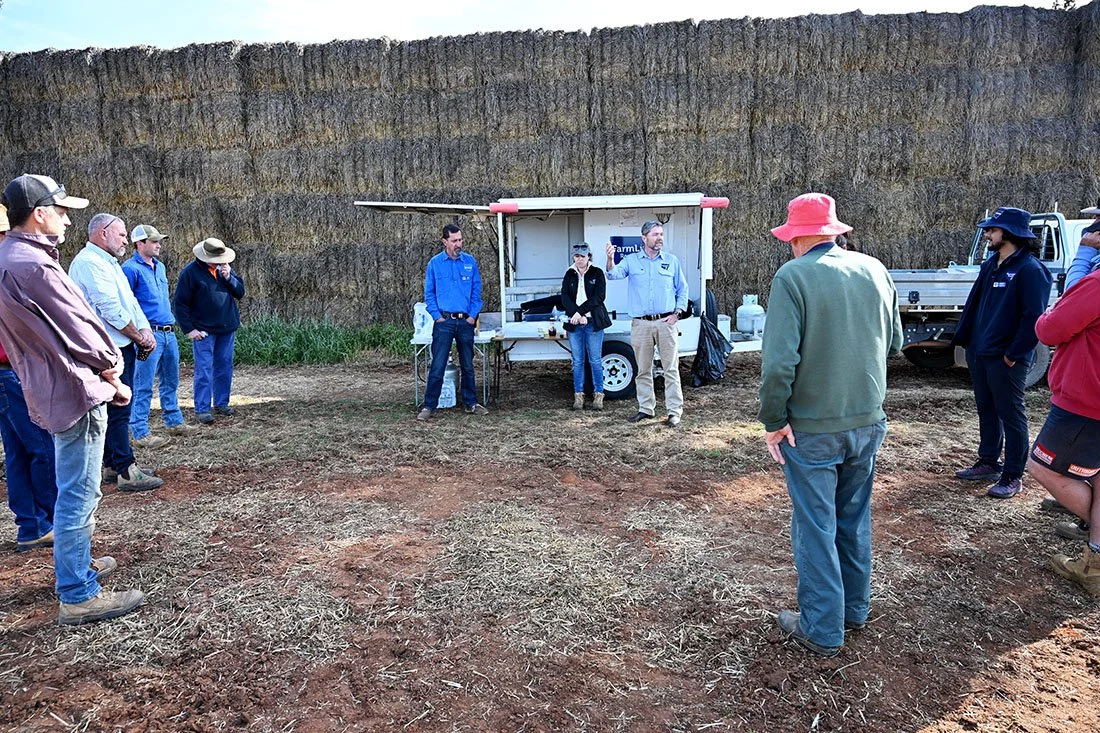
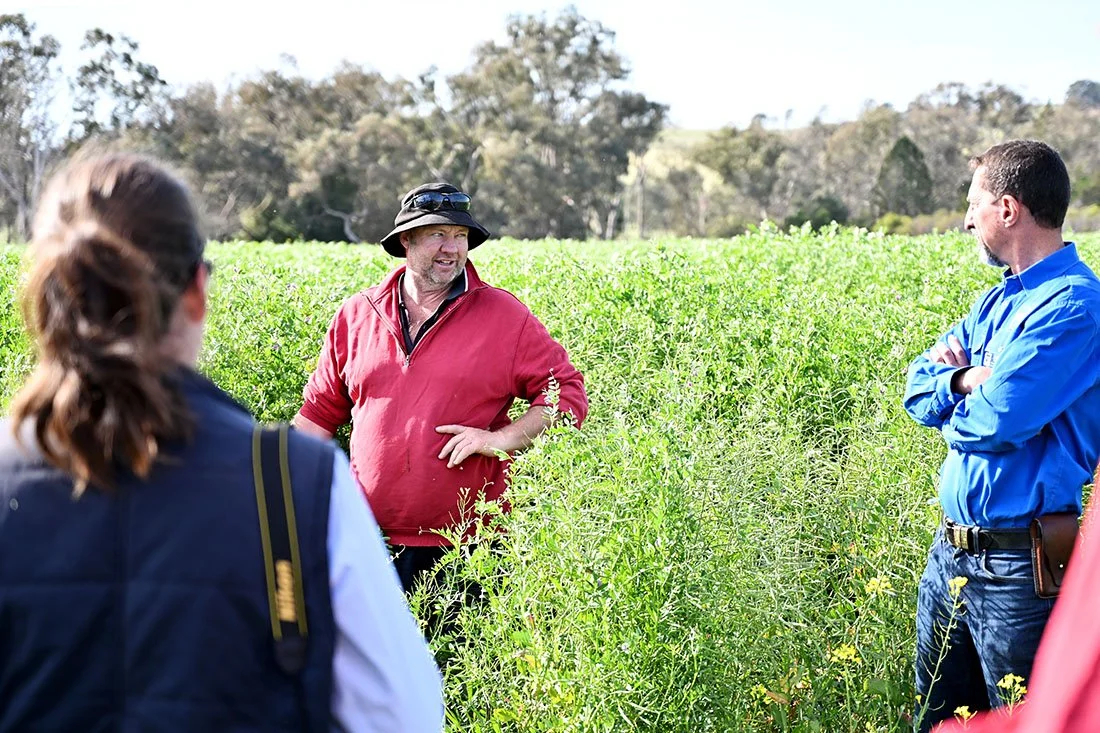
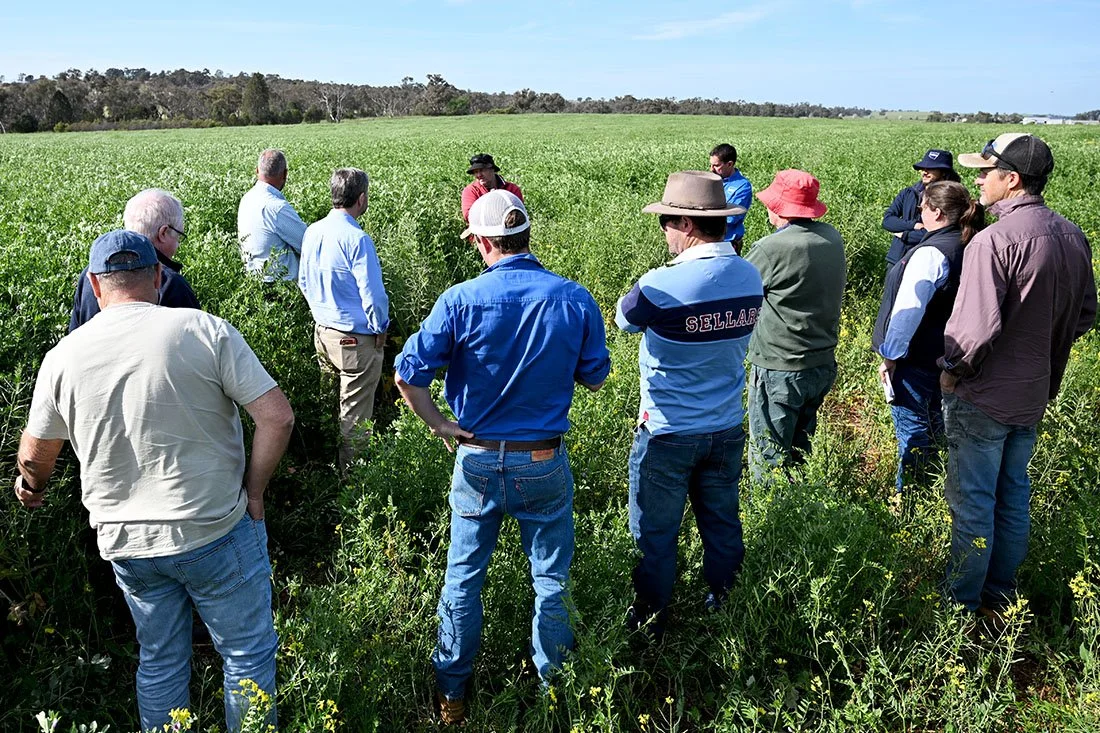
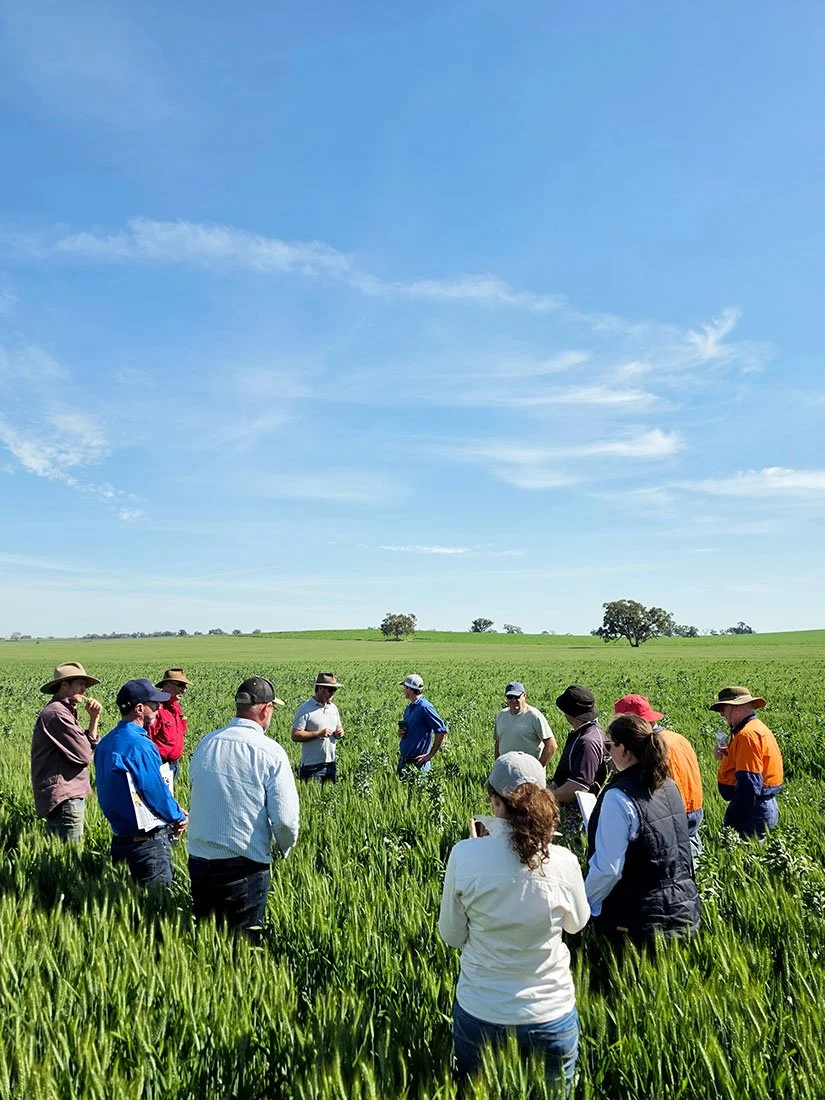
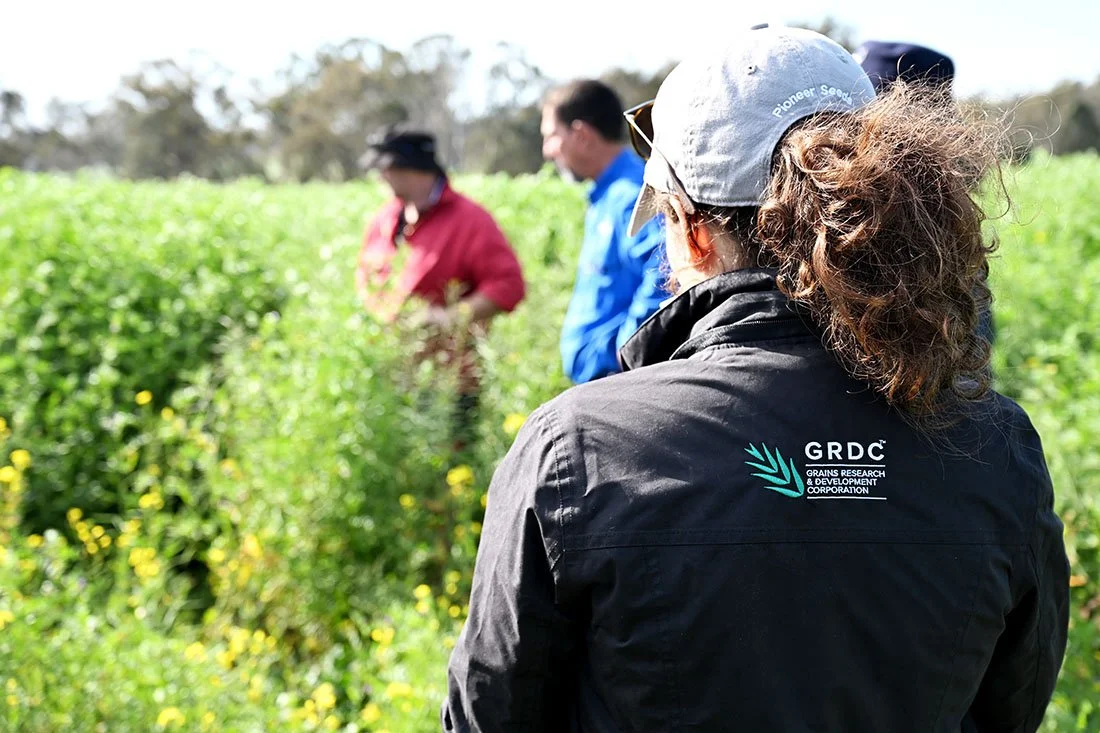
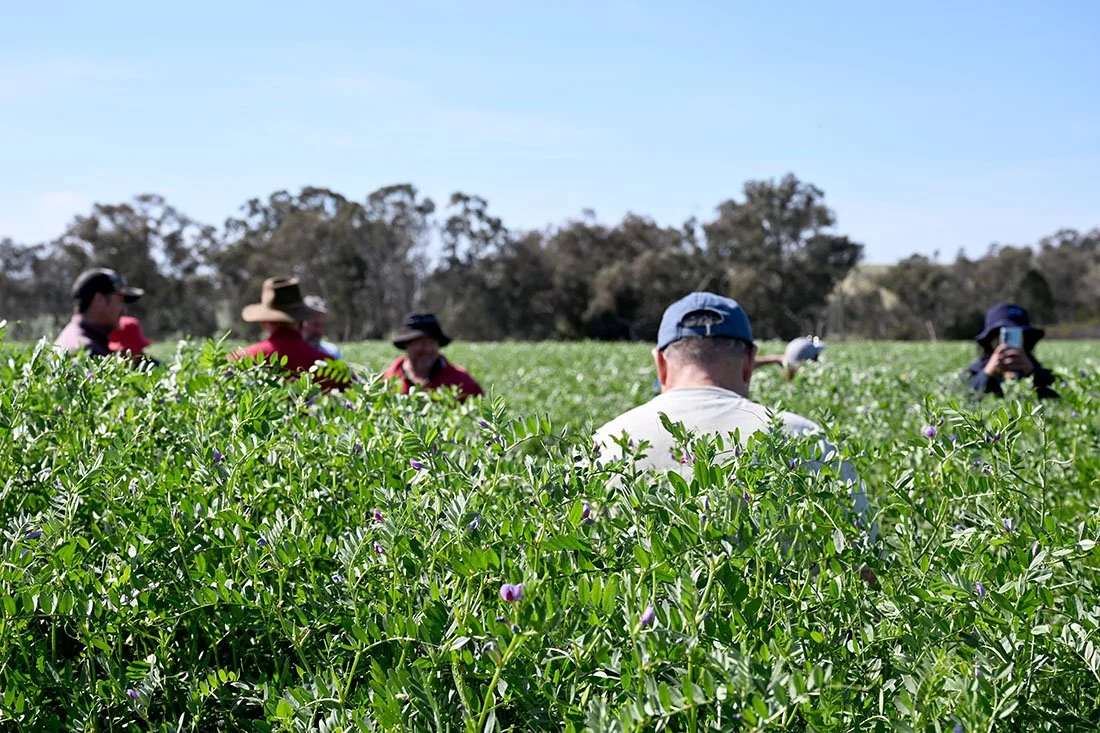
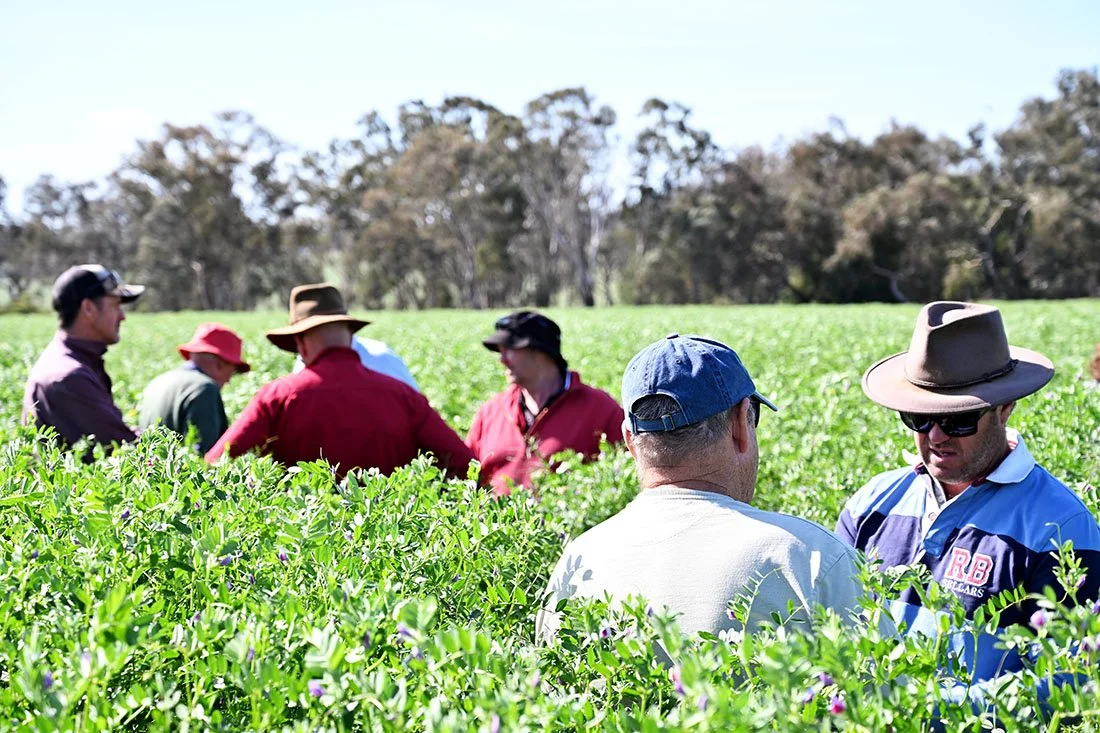
Field walks and grower events
Trial results and technical reports
Factsheets and extension resources
FarmLink communications and social media updates
Presentations at industry forums and GRDC events
Project Outcome
By 2028, the project aims to equip Southern NSW growers and advisers with the knowledge, local data and practical insights needed to make informed decisions about incorporating intercropping into their farming systems.
Through demonstration, discussion and locally generated evidence, this project will help identify where intercropping can improve profitability, resilience and sustainability in the Riverina.